Can Fire Extinguishers Explode or Become Unsafe Over Time?
Picture this. A quiet office hallway. A red fire extinguisher hangs on the wall, calm and patient, like it has all the time in the world. It looks harmless. However, a common question floats through many minds sooner or later. Can fire extinguishers explode when no one is looking. Within the first few moments of any safety talk, this question tends to pop up like a curious cat in a room full of rocking chairs.
According to Kord Fire Protection technicians, the answer is not meant to scare anyone. Instead, it aims to inform. Fire extinguishers are designed to protect, not surprise attack like a plot twist in a thriller movie. Still, time, pressure, and neglect can change the story. Therefore, this article walks through how these devices work, what makes them dangerous over time, and how proper care keeps them quiet, reliable heroes.
Along the way, expect a few light jokes, a couple of movie nods, and clear guidance delivered with a steady, reassuring tone. Think less action movie explosion and more wise narrator explaining why maintenance matters.
Understanding Pressure and Time Inside a Fire Extinguisher
Every fire extinguisher lives under pressure. That pressure allows it to release its contents fast when flames show up uninvited. However, pressure also means responsibility. According to Kord Fire Protection technicians, most extinguishers store either compressed gas or a chemical reaction that creates pressure.
Over time, materials age. Seals dry out. Metal can weaken. Therefore, while a fire extinguisher is built tough, it is not immortal. Think of it like a car tire. It can sit for years and look fine, yet still fail when stress hits. Meanwhile, internal pressure never takes a vacation.
That does not mean every old extinguisher is a ticking time bomb. However, neglect raises the risk. Rust inside the cylinder can thin the walls. Valves can clog. Pressure gauges can lie like an unreliable narrator. Consequently, without checks, the device may fail when needed or in rare cases rupture.
Kord Fire Protection technicians often explain this with a simple image. A soda can left in a hot car. Most of the time, nothing happens. Yet the wrong conditions turn a quiet can into a loud mess. Fire extinguishers deserve more respect than a forgotten drink.
Just like expired units can quietly turn unreliable, if you are wondering whether age alone makes them unsafe, Kord’s guide on what to do when your fire extinguisher is expired breaks down how time, internal parts, and maintenance all work together.
Why Would a Fire Extinguisher Become Dangerous Over Time?
This is the one question header, and it deserves a clear answer. A fire extinguisher becomes dangerous due to age, damage, or poor maintenance. According to Kord Fire Protection technicians, danger rarely comes from normal use. Instead, it creeps in quietly.
Corrosion and hidden damage
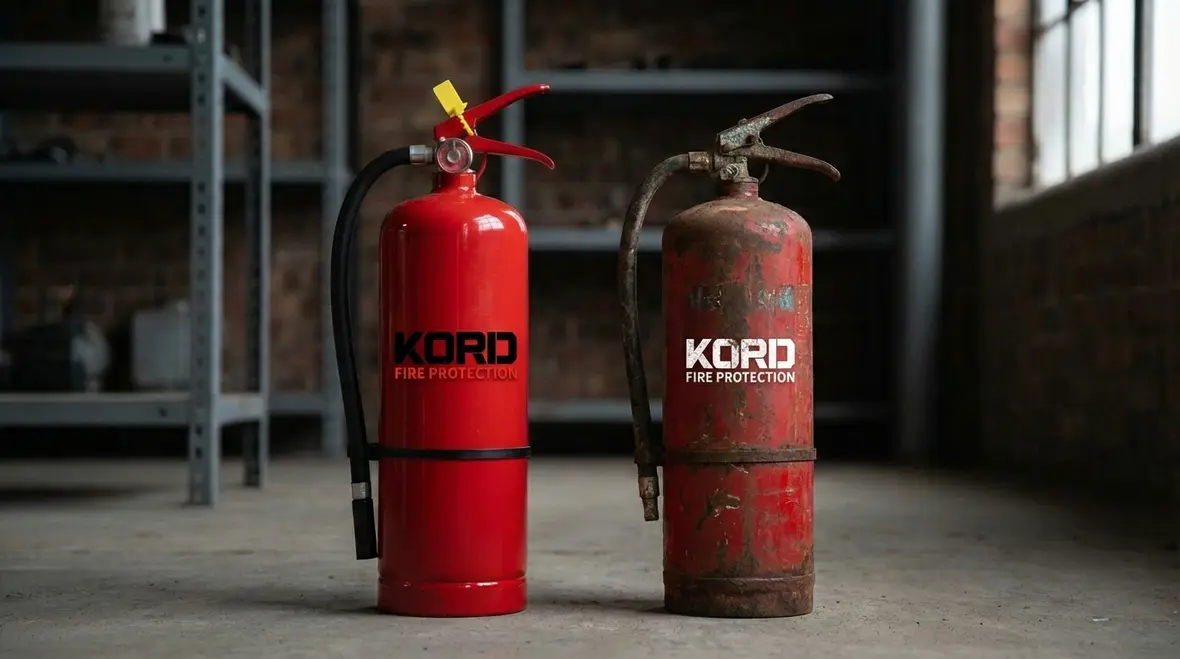
First, corrosion plays a big role. Moisture can enter the cylinder, especially in humid spaces. Therefore, rust forms from the inside where no one looks. Over years, this weakens the shell and undermines the extinguisher’s ability to hold pressure safely.
Pressure imbalance and heat exposure
Second, pressure imbalance matters. Some extinguishers slowly lose pressure. Others build too much due to heat exposure. Consequently, storing them near ovens, heaters, or sunny windows is a bad idea. That constant heat bath slowly pushes pressure and components past their comfort zone.
Physical abuse and “it still looks fine” thinking
Third, physical damage adds risk. Dropping an extinguisher may not leave visible marks. However, internal components can crack or shift. Think of it like dropping a smartphone. It might still work, until it does not.
Expired models and outdated parts
Finally, expired units create uncertainty. Old models may not meet current safety standards. Meanwhile, replacement parts might no longer exist. Therefore, age plus neglect equals danger.
Can Fire Extinguishers Explode During Storage or Use?
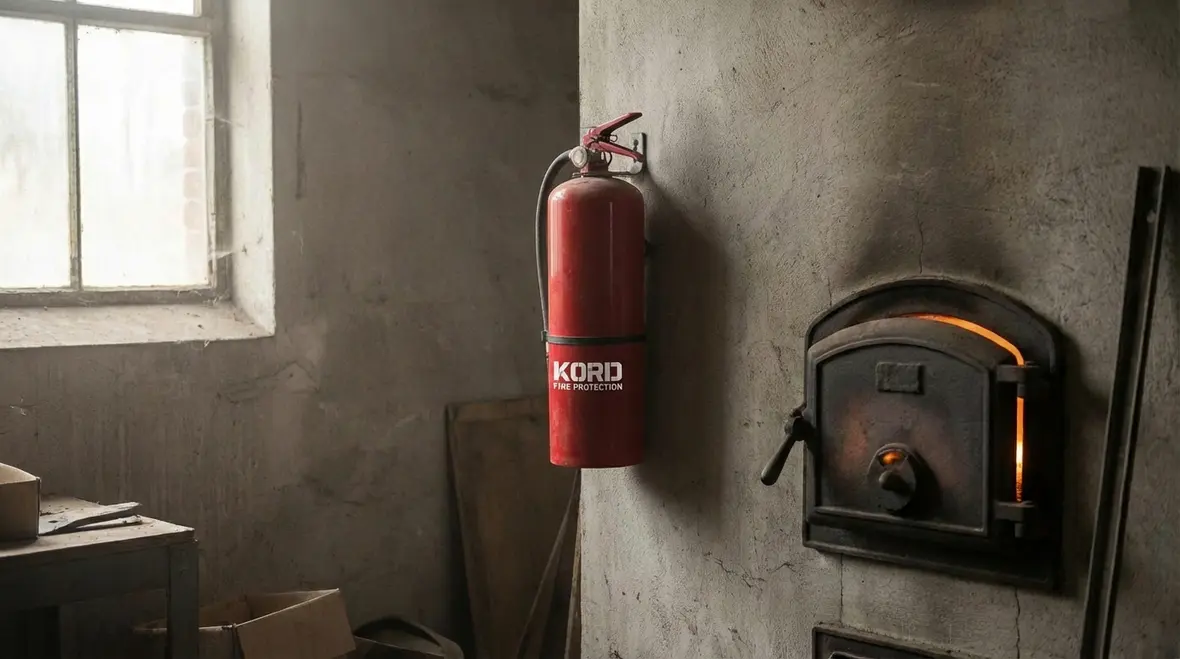
This header uses the keyword again, and now it is time to be direct. Explosions are rare. Very rare. According to Kord Fire Protection technicians, modern fire extinguishers go through strict testing. They are designed to fail safely, often releasing pressure instead of bursting.
However, rare does not mean impossible. In extreme cases, an extinguisher exposed to high heat or severe corrosion can rupture. Therefore, stories of exploding extinguishers often involve unusual conditions. Think abandoned buildings, extreme heat, or decades of neglect.
During normal use, the risk drops even lower. When someone pulls the pin and squeezes the handle, pressure releases as intended. Meanwhile, safety valves help control the flow. It is less action movie and more instructional video.
Therefore, while the phrase can fire extinguishers explode sounds dramatic, reality is calmer. The real danger lies in ignoring inspections and hoping for the best.
What Kord Fire Protection Technicians Look for During Inspections
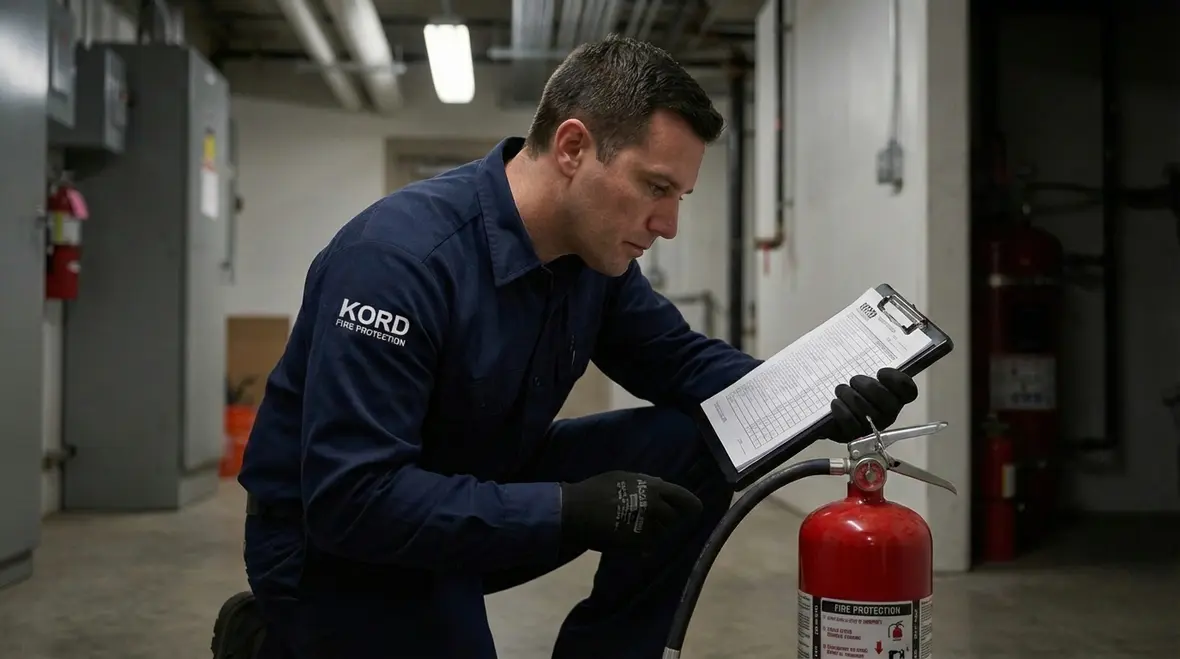
Professional inspections turn mystery into clarity. According to Kord Fire Protection technicians, a proper check looks beyond the surface.
Gauges, weight, and what “green” really means
They start with the gauge. It must sit in the green zone. However, they never trust it alone. They check the weight to confirm the contents remain inside and compare it to the extinguisher’s rating and service history.
Shell condition and cosmetic red flags
Next, they examine the cylinder. Dents, rust, or paint bubbling raise red flags. Therefore, even cosmetic issues matter. A small blister in the paint can hint at corrosion lurking underneath.
Hoses, nozzles, pins, and seals
Then, they inspect the hose and nozzle. Cracks or blockages reduce performance. Meanwhile, the pin and tamper seal must stay intact, proving nobody has used or tampered with the extinguisher since the last service.
Records, testing, and code compliance
Finally, they review the service record. Fire extinguishers require periodic internal exams and hydrostatic testing. Consequently, missing records signal neglect. Kord’s own service guides, such as their article on how often fire extinguishers need to be serviced, highlight the importance of monthly checks, annual maintenance, and long-term testing intervals.
| Checked and Maintained Extinguisher | Ignored and Aging Extinguisher |
|---|---|
| Pressure stays within safe limits | Pressure may drop or rise unnoticed |
| Internal parts remain clean | Rust and debris build up |
| Responds correctly during use | May fail or release unevenly |
| Low risk to users | Higher risk over time |
Therefore, inspections act like regular doctor visits. No drama. Just prevention.
Common Myths That Make Fire Extinguishers Seem Scarier Than They Are
Fire safety myths spread faster than movie spoilers. However, Kord Fire Protection technicians spend a lot of time calming fears.
“Old extinguishers explode without warning.”
One myth claims old extinguishers explode without warning. In reality, warning signs usually appear first. Rust, leaks, or low pressure offer clues, especially when technicians track them through scheduled inspections.
“If I touch it, it might go off.”
Another myth suggests touching an extinguisher might trigger it. That is simply not true. These devices do not have a mind of their own. They require deliberate action, such as pulling the pin and squeezing the handle.
“They last forever, right?”
Some believe all extinguishers last forever. Sadly, nothing does. Not even movie franchises. Therefore, lifespan matters. Extinguishers need periodic internal work and, eventually, replacement, just like any other safety equipment.
“Inspections are optional.”
Finally, people assume inspections are optional. However, skipping them increases risk. Consequently, fear grows when knowledge fades. By replacing myths with facts, fire extinguishers return to their rightful role as quiet guardians.
How Environment and Storage Conditions Change Risk Levels
Location shapes behavior, even for metal cylinders. According to Kord Fire Protection technicians, environment influences safety more than most people realize.
Heat, cold, and pressure changes
Heat accelerates pressure changes. Therefore, storage near boilers or kitchens raises concern. Meanwhile, cold environments can affect seals, making them brittle or less flexible over time.
Moisture, humidity, and corrosion
Humidity invites corrosion. Basements and coastal areas need extra attention. Consequently, moisture control matters. Rust that starts on the outside can work its way in, and hidden moisture can start from the inside and never be seen until failure.
Movement, vibration, and mounting
Vibration also plays a role. Extinguishers mounted on moving equipment or vehicles face stress. Over time, fittings can loosen, brackets can fatigue, and components can shift, changing how safely the extinguisher operates.
Therefore, choosing the right spot is not just about convenience. It is about long term reliability.
When Replacement Is Smarter Than Repair
Sometimes, letting go is the safest move. According to Kord Fire Protection technicians, repair works only within limits.
If corrosion spreads deep, replacement wins. If parts no longer meet standards, replacement wins again. Meanwhile, outdated models often lack modern safety features.
Therefore, replacing an extinguisher is not failure. It is progress. Think of it as upgrading from a flip phone to a smartphone. The old one worked, but the new one works better.
This approach reduces risk and builds confidence. Consequently, safety becomes routine instead of reactive. Pairing replacement with structured services, like Kord’s Six Year Break Down/Tear Down service, ensures extinguishers are opened, inspected, and rebuilt on a predictable schedule instead of only when something looks wrong.
FAQ About Fire Extinguisher Safety
Conclusion and Call to Action
Fire extinguishers rarely demand attention, yet they quietly wait for the moment that matters. Understanding their risks removes fear and replaces it with confidence. According to Kord Fire Protection technicians, regular inspections and smart storage keep these tools safe and reliable.
Therefore, now is the time to act. Schedule an inspection, ask questions, and treat safety as a habit, not a reaction. If you are unsure where to start, Kord’s fire extinguisher services in Imperial County and beyond can help with inspection, testing, and replacement so a calm hallway today truly means peace of mind tomorrow.
Know Your Weapon Before You Fight the Flame
Kord Fire Protection is your go-to when it comes to all things fire protection. For over 20 years, we’ve been serving Southern California with the quality service and equipment to keep your home or business safe at all times. Our competitive prices reflect our unwavering commitment to protecting what matters most in the event of a fire emergency. Give us a call, send an email, or use that form!

Join Our Newsletter!
Get the latest fire safety tips delivered straight to your inbox From our Newsletter.