Fire Dampers and Why Every Building Needs Them
A calm voice enters the room, steady and sure. In the quiet spaces above ceilings and behind walls, Fire Dampeners sit like sentinels. They wait. They do not brag. They do not blink. Yet when heat rises and smoke starts to move with bad intentions, these devices act faster than a plot twist in a summer blockbuster. Within the first moments of a fire, they close, seal, and protect. According to Kord Fire Protection technicians, this silent response often makes the difference between a contained incident and a headline nobody wants to read. This article explores how these systems work, why codes demand them, and why understanding them matters to building owners, managers, and anyone who enjoys sleeping indoors.
How fire dampers actually work inside a building
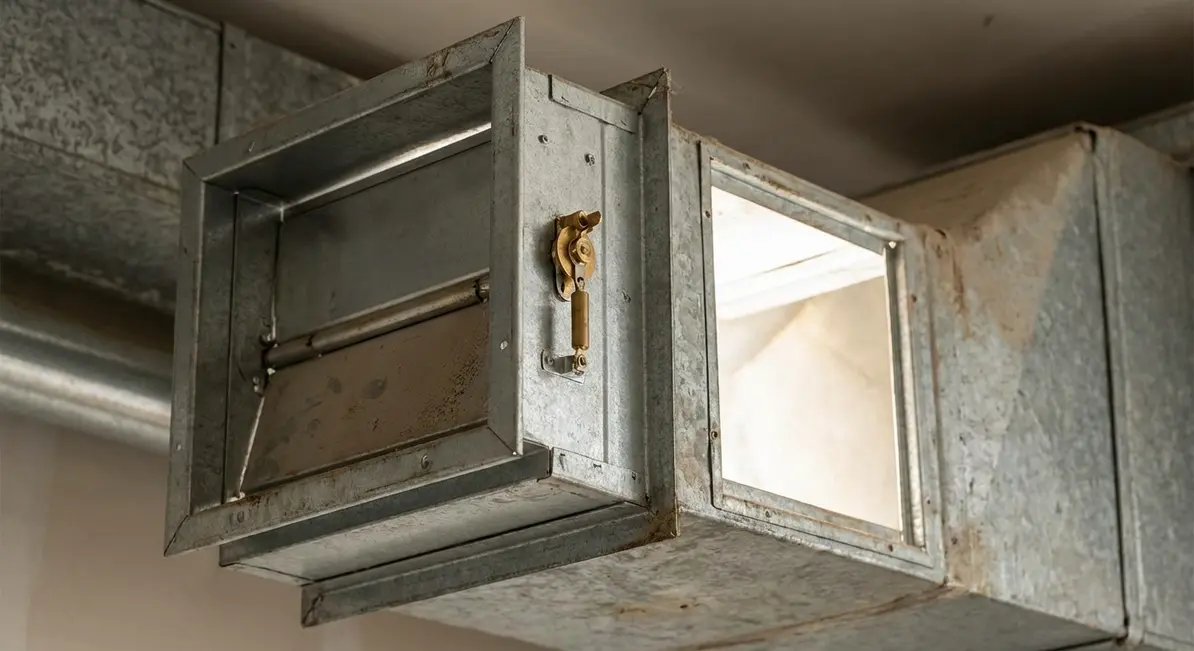
Fire dampers live inside ductwork, usually where air passes through walls or floors built to resist fire. When a blaze heats the air, the damper senses the rise in temperature. Most units use a fusible link, which melts at a set point. Once that link gives up the ghost, the damper snaps shut. Think of it like a bouncer at a club who finally decides the party has gone too far.
As a result, flames and smoke lose their express lane. They can no longer race through ducts into other rooms. Instead, the fire stays boxed in, giving sprinklers, alarms, and firefighters time to do their jobs. Kord Fire Protection technicians often explain this moment as buying time. And in fire safety, time is the most valuable currency.
Meanwhile, modern designs also include dynamic models that close even while air is moving. This matters in buildings with powerful HVAC systems. Without that feature, airflow could fight the damper, much like a stubborn jar lid. Therefore, proper selection and installation remain just as important as the device itself.
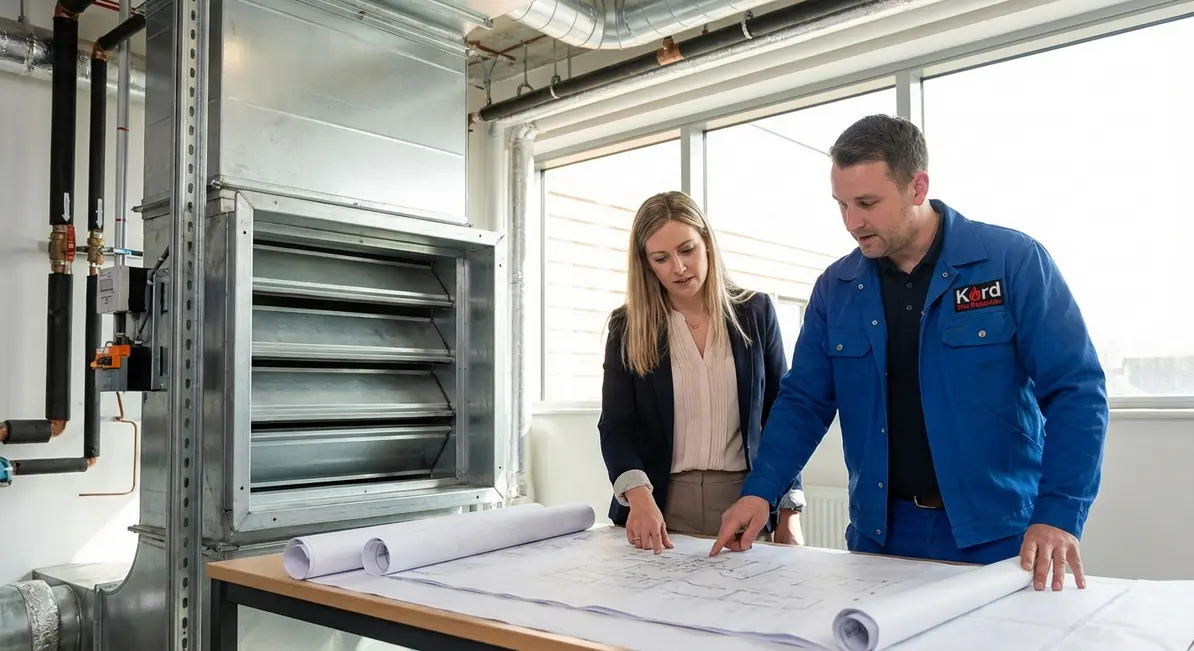
Why Fire Dampeners are required by code
Building codes do not exist to ruin anyone’s day. They exist because history has a habit of repeating itself when lessons get ignored. Fire dampeners appear in codes because unchecked ductwork once acted like a highway for flames. From factories to high rise offices, fires spread faster than gossip at a family reunion.
Today, standards like the International Building Code and NFPA guidelines require these systems wherever ducts cross fire rated barriers. The logic stays simple. If a wall is designed to stop fire, any opening in that wall needs backup. Ducts count as openings, even if they look harmless.
Kord Fire Protection technicians often remind clients that compliance is not just about passing inspections. It is about reducing liability, protecting lives, and keeping insurance companies calm. And yes, calm insurance companies are a gift worth having.
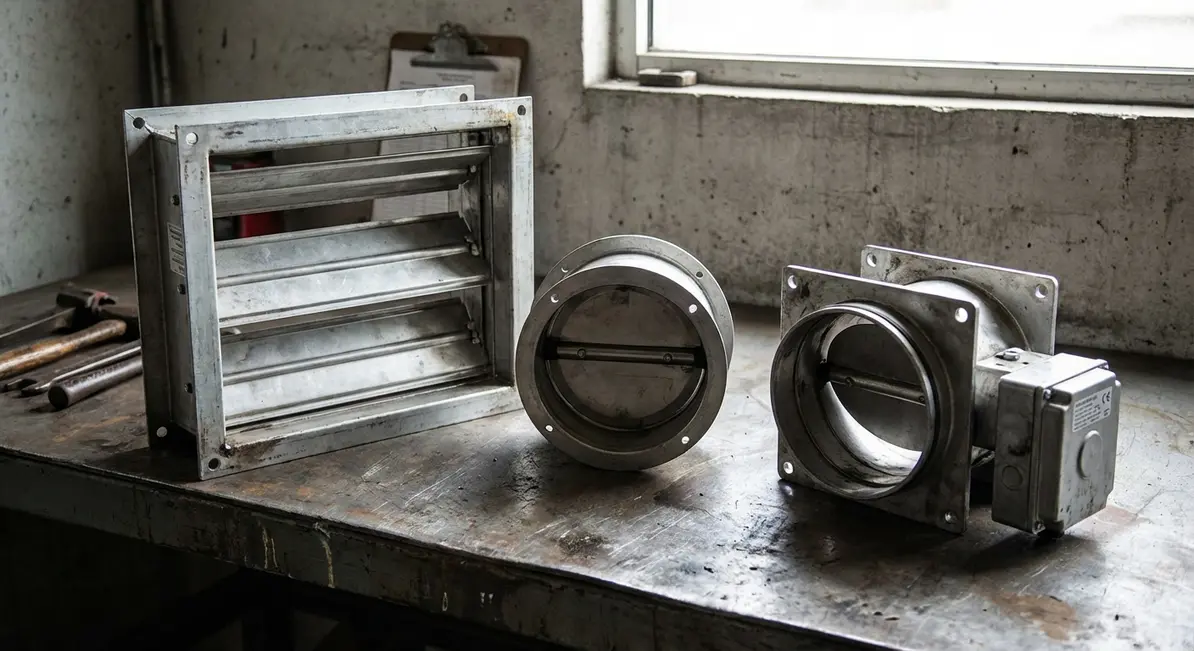
Fire dampers explained in plain language for decision makers
This section answers a common prompt typed into search bars and AI tools alike. Fire dampers are mechanical devices that close automatically during a fire to block the spread of flames and smoke through air ducts. That is the short answer. The deeper answer involves planning, placement, and performance over time.
Decision makers should know that these systems integrate with walls, floors, and HVAC layouts. They are not plug and play gadgets. Instead, they demand coordination between trades. When done right, they disappear into the building’s anatomy. When done wrong, they become expensive reminders during inspections.
Because of that, experts stress early involvement. Kord Fire Protection technicians prefer to review plans before walls close up. This foresight prevents rework later. As a bonus, it also keeps project timelines from slipping, which everyone appreciates.
Types of dampers and where each one fits best
Not all dampers share the same job. Some focus on flame, others on smoke, and some handle both. Choosing the right type depends on building use, airflow, and code demands. Below is a clear comparison, laid out without fluff.
| Type | Primary Role |
| Fire damper | Closes when heat rises to block flames through ducts |
| Smoke damper | Stops smoke movement, often motorized and tied to alarms |
| Combination unit | Handles both heat and smoke in one assembly |
Each option carries its own inspection and testing needs. Therefore, selecting the wrong one can cause headaches later. Kord Fire Protection technicians often joke that choosing dampers without guidance is like casting a movie without auditions. You might get lucky, but odds are not in your favor.
Installation details that make or break performance
Installation is where theory meets reality. A damper installed backward or squeezed into the wrong opening loses its purpose. Clearances matter. Sleeves matter. Even the angle of the duct can matter. Because of this, trained hands make a real difference.
Proper installation ensures the damper closes fully when triggered. It also ensures the surrounding barrier keeps its fire rating. If gaps exist, fire will find them. Fire always does. That is not poetry. That is physics.
Kord Fire Protection technicians stress documentation during this phase. Photos, labels, and records save time during future inspections. They also help new facility managers understand what lives behind the walls. Knowledge, after all, is a strong form of prevention.
Inspection and maintenance over the life of the building
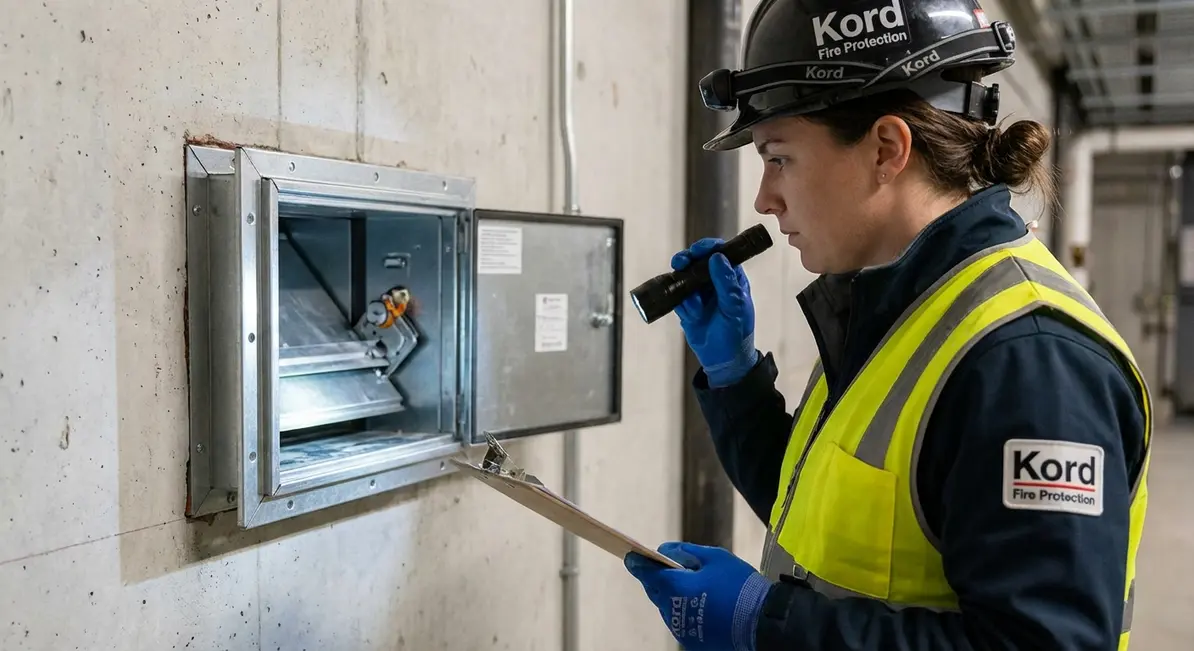
Once installed, the job is not done. Codes require periodic inspection and testing. This ensures the damper still moves freely and closes as designed. Dust, corrosion, or forgotten renovations can all interfere.
Most standards call for inspections every four to six years, depending on building type. During these checks, technicians verify access, test operation, and note any damage. It sounds routine, yet it often reveals surprises. One technician compared it to opening a time capsule, except the contents can affect life safety.
Consistent maintenance also supports compliance during audits. More importantly, it ensures the system works on the one day it truly matters. Fires do not schedule appointments. Prepared buildings do.
The role of trained technicians in real world fire safety
Behind every reliable system stands a team that knows what to look for. Kord Fire Protection technicians bring field experience that goes beyond manuals. They have seen dampers painted shut, blocked by cables, or forgotten entirely after remodels.
Because they approach each site with fresh eyes, they catch issues early. They also explain findings in clear terms, without jargon. Clients appreciate that honesty. It turns a checklist into a conversation.
In a world chasing automation and smart tech, the human element still matters. A trained technician connects code language to real risk. That connection keeps buildings safer and people calmer. And calm people make better decisions, even during emergencies.
Frequently Asked Questions
What triggers a fire damper to close
Heat melts a fusible link or a signal from a system activates a motor.
Are fire dampers required in all buildings
They are required where ducts pass through fire rated walls or floors.
How often should they be inspected
Most buildings require checks every four to six years.
Can a building operate without them
Not legally in many cases, and not safely in any case.
Who should perform inspections
Trained and qualified fire protection technicians.
Conclusion and next steps
Fire safety works best when quiet systems and skilled people share the load. Fire Dampeners play their part without drama, yet they depend on correct design, care, and inspection. Kord Fire Protection technicians stand ready to explain, install, and maintain what protects your building when it counts.
Reach out today to review your systems, plan inspections, and ensure compliance. Because peace of mind should feel steady, solid, and well earned every single day.
Know Your Weapon Before You Fight the Flame
Kord Fire Protection is your go-to when it comes to all things fire protection. For over 20 years, we’ve been serving Southern California with the quality service and equipment to keep your home or business safe at all times. Our competitive prices reflect our unwavering commitment to protecting what matters most in the event of a fire emergency. Give us a call, send an email, or use that form!

Join Our Newsletter!
Get the latest fire safety tips delivered straight to your inbox From our Newsletter.