Fire Extinguisher Pin Missing and Code Compliance
There is a quiet kind of panic that sets in when someone notices a fire extinguisher pin missing. It usually happens in a hallway, a warehouse corner, or right before an inspection. The extinguisher looks fine at first glance. The gauge is green. The label is intact. But then someone spots it. No pin. No tamper seal. Just a small, empty hole where a simple piece of metal once stood guard.
Is it still compliant? Is it still safe? Or is it now just a red cylinder pretending to be useful?
According to Kord Fire Protection technicians, the answer depends on more than nerves and guesswork. It depends on standards, inspection protocols, and whether that extinguisher can still do its job when flames decide to audition for a disaster movie.
Understanding the Role of the Safety Pin
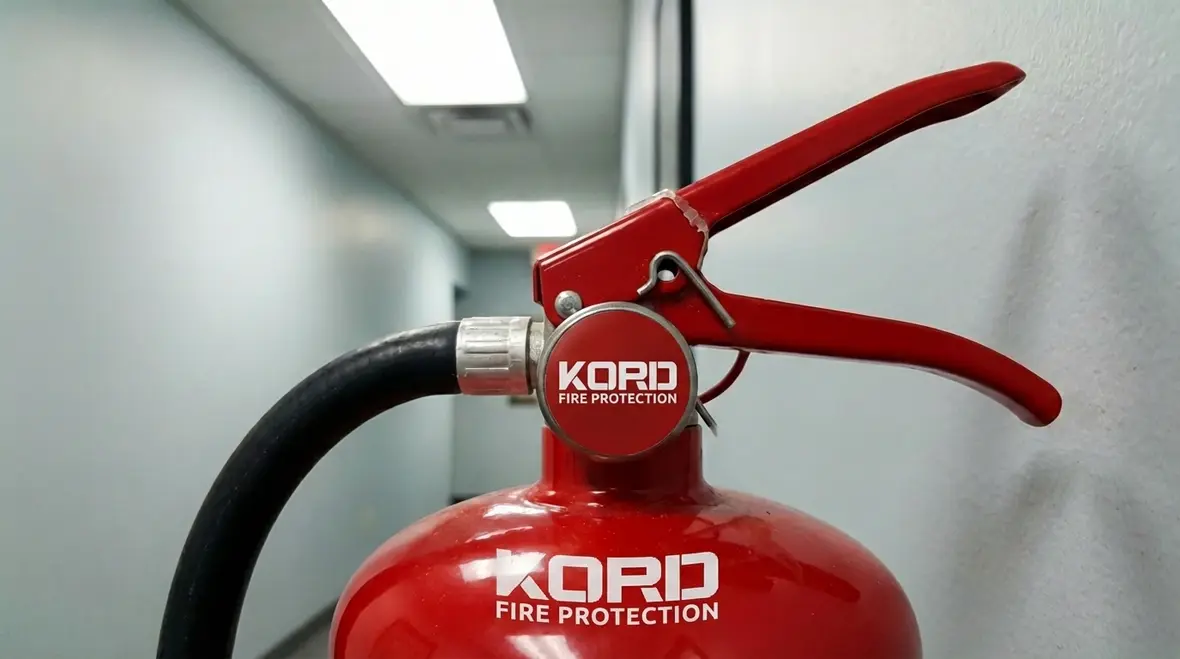
The safety pin may look small, almost forgettable. However, it serves a critical purpose. It prevents accidental discharge. Without it, the handle can be squeezed unintentionally, releasing pressure and extinguishing agent. In other words, the pin keeps the extinguisher ready for the moment it is truly needed.
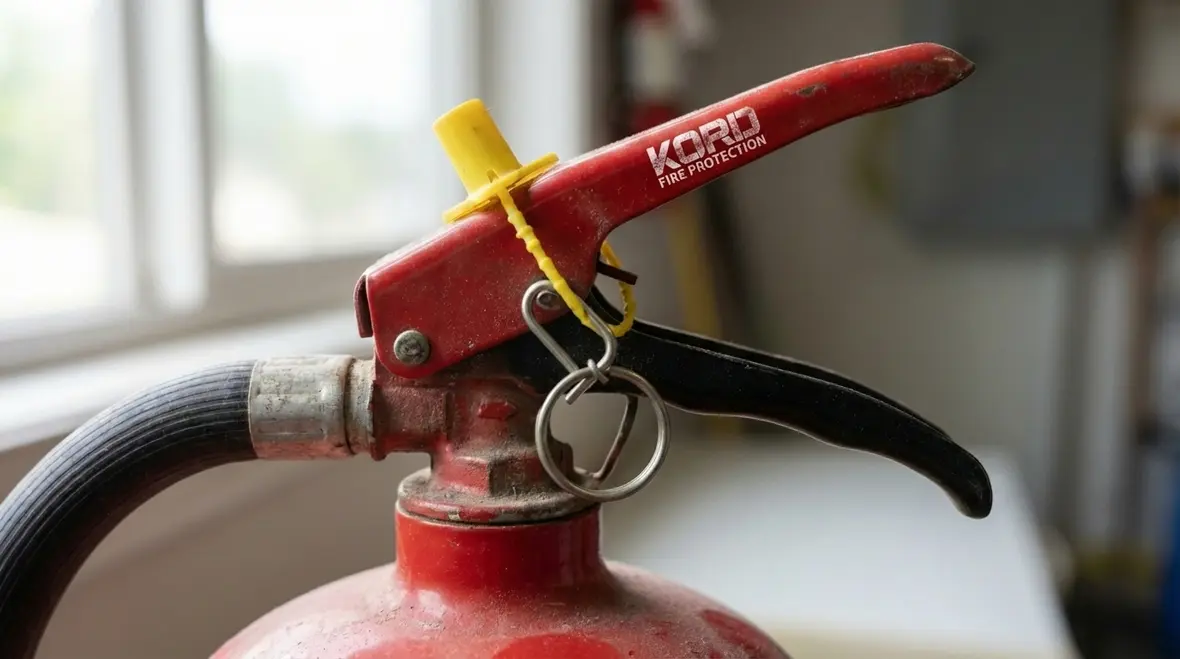
Additionally, the pin works with a tamper seal. That plastic tie tells inspectors whether someone has used or tested the extinguisher without reporting it. If the seal is broken or the pin is gone, that extinguisher raises questions.
Kord Fire Protection technicians often explain it this way. The pin is like the safety on a tool. Remove it too soon, and you risk waste or malfunction. Leave it in place until needed, and everything works as designed. It is simple engineering with serious consequences.
Therefore, when a fire extinguisher pin missing situation appears, it is not cosmetic. It is functional. And function is everything in fire protection.
If you want a deeper dive into how technicians evaluate components like pins, seals, and gauges, Kord Fire’s Fire Extinguisher Inspection and Component Replacement Guide walks through the inspection process step by step.
Is a Fire Extinguisher Pin Missing a Code Violation?
Now the question most property managers ask, often with a slightly raised heartbeat. Does a missing pin mean instant failure during inspection?
In many cases, yes.
Fire codes and NFPA standards require extinguishers to be in proper working order. That includes having the safety pin in place and secured with a tamper seal. If the pin is absent, inspectors may classify the unit as non compliant. Even if the pressure gauge reads full, the lack of a pin signals possible tampering or discharge.
Moreover, compliance is not just about passing inspection. It is about liability. If a fire occurs and the extinguisher fails because it was partially discharged after the pin fell out, the consequences extend far beyond a checklist.
Kord Fire Protection technicians regularly remind clients that compliance protects more than property. It protects people, reputations, and budgets. Because while replacing a pin is affordable, defending a negligence claim is not.
For many facilities, partnering with a provider for monthly inspection and annual service is the simplest way to keep extinguishers code-compliant and ready year-round.

What Actually Happens When the Pin Is Gone
It helps to understand the mechanics.
When a fire extinguisher pin missing issue arises, several scenarios may have occurred:
1. Accidental Bump or Tampering
Someone may have pulled the pin out of curiosity or during horseplay. Yes, adults do this too. Offices are not immune to boredom.
2. Partial Discharge
Without the pin, the handle may have been squeezed slightly. Even a brief squeeze can release pressure. Although it might not empty the extinguisher, it can reduce internal pressure enough to affect performance.
3. Vibration Over Time
In vehicles or industrial settings, vibration can loosen components. While rare, it can contribute to a missing or dislodged pin.
Consequently, the real risk lies in hidden damage. An extinguisher that looks full may not discharge properly. Or it may fail halfway through use. In a real fire, halfway is not good enough.
Kord Fire Protection technicians typically perform a full inspection in these cases. They check pressure levels, examine the handle assembly, and confirm the internal charge. Because guessing is not a strategy. Verification is.
How Inspectors View a Fire Extinguisher Pin Missing During Routine Checks
During monthly visual inspections and annual maintenance checks, inspectors follow a clear list. They examine:
- Pressure gauge reading
- Physical damage
- Accessibility
- Tamper seal and safety pin
If the safety pin is absent, the unit often fails the inspection immediately. Even if everything else looks fine, the extinguisher does not meet readiness standards.
However, the solution is usually straightforward. A certified technician can assess whether the unit needs recharging or simply a new pin and seal. In some cases, the extinguisher must be removed from service until maintenance is complete.
Therefore, building managers should never ignore a missing safety pin. It may seem minor, yet inspectors treat it as a red flag. And red flags, much like small sparks, tend to grow if ignored.
What To Do Immediately If You Notice the Pin Is Gone
When someone spots a missing extinguisher pin, calm action beats panic every time.
First, remove the extinguisher from active service if possible. Replace it temporarily with a compliant unit. This ensures coverage remains uninterrupted.
Next, schedule a professional inspection. Kord Fire Protection technicians advise against simply inserting a random pin. The device must be evaluated for pressure loss or internal damage.
Then, document the issue. For businesses, written records support compliance efforts and demonstrate responsible action.
Finally, train staff. If tampering caused the problem, education can prevent repeat incidents. While it might feel like overkill to discuss extinguisher etiquette, prevention often hinges on small conversations.
After all, fire safety is not a guessing game. It is a system. And systems work best when each part, even a small metal pin, does its job.
Compliance and Safety Checklist for Property Managers
For those who prefer clear guidance, here is a structured breakdown.
Fire Extinguisher Condition
- Pin present and secured
- Tamper seal intact
- Gauge in green zone
- No visible damage
Action Steps If Pin Is Missing
- Remove from service
- Contact certified technician
- Inspect for pressure loss
- Replace or recharge as needed
This simple two column approach helps teams respond quickly. On one side, they confirm readiness. On the other, they follow corrective action steps. Because in fire protection, clarity reduces risk.
Kord Fire Protection technicians often note that consistent monthly checks prevent surprises during annual inspections. Furthermore, regular oversight builds a culture of safety. And culture, unlike equipment, cannot be purchased at the last minute.
Why Small Components Matter in Emergency Equipment
It is easy to underestimate small parts. A pin is not dramatic. It does not spray foam or chemical agent. It does not make noise. Yet it controls access to the extinguisher’s power.
In many ways, it is like the quiet character in a film who saves the day at the end. Not flashy. Not loud. But essential.
Similarly, every component in a fire protection system plays a defined role. Remove one, and the system weakens. While the absence of a pin may not guarantee failure, it introduces uncertainty. And uncertainty has no place in emergency response.
Kord Fire Protection technicians stress proactive maintenance because emergencies rarely provide second chances. When a fire breaks out, there is no pause button. There is no retake. The extinguisher must work the first time.
Therefore, treating a missing safety pin as insignificant is like ignoring a low fuel light on a long road trip. It may seem fine for a while. Until it is not.
Frequently Asked Questions
Final Thoughts and Next Steps
A missing pin may seem small, yet small details define real safety. When a fire extinguisher pin missing issue appears, action should follow without delay. Kord Fire Protection technicians stand ready to inspect, restore, and ensure every unit meets code and performs when needed.
Do not leave compliance or safety to chance. Schedule a professional inspection today and keep every layer of protection exactly where it belongs.
If an extinguisher at your facility is missing its pin, seal, or shows other signs of damage, Kord Fire offers complete fire extinguisher training, inspection, testing, & maintenance services across Southern California.
And if the unit needs to be swapped out entirely, their dedicated fire extinguisher replacement team can help you upgrade to compliant equipment and document everything for your records.
Ready to get started? Contact Kord Fire Protection to schedule an on-site visit, build a customized inspection plan, or request a quote for your building’s fire extinguisher program.
Know Your Weapon Before You Fight the Flame
Kord Fire Protection is your go-to when it comes to all things fire protection. For over 20 years, we’ve been serving Southern California with the quality service and equipment to keep your home or business safe at all times. Our competitive prices reflect our unwavering commitment to protecting what matters most in the event of a fire emergency. Give us a call, send an email, or use that form!

Join Our Newsletter!
Get the latest fire safety tips delivered straight to your inbox From our Newsletter.