
NFPA 35 Section 9.6: Lightning Protection for the Plant
Quick Answer: NFPA 35 Section 9.6 requires a risk-based lightning protection approach for chemical and industrial plants. The standard focuses on protecting structures, hazardous locations, and connected systems through properly designed, installed, and maintained lightning protection equipment aligned with accepted engineering and inspection practices.
For facilities building out broader inspection and maintenance workflows, fire protection services in Southern California can help tie lightning related risk reviews into a more complete compliance program.
Why NFPA 35 lightning protection plant requirements matter for process facilities
Lightning events rarely cause damage in a single, obvious failure mode. More often, they trigger a cascade: direct attachment, side flash, induced currents, and damaging surges that stress electrical systems and, in process plants, can escalate into fire or explosion hazards. For facilities operating under NFPA 35, lightning protection must be more than “hardware on steel.” It must integrate with the plant’s electrical distribution, grounding system, and hazardous area layout.
This article focuses on practical compliance for NFPA 35 lightning protection plant requirements, with emphasis on what teams typically miss during design reviews, install verification, and ongoing maintenance.
What Section 9.6 expects the plant to protect
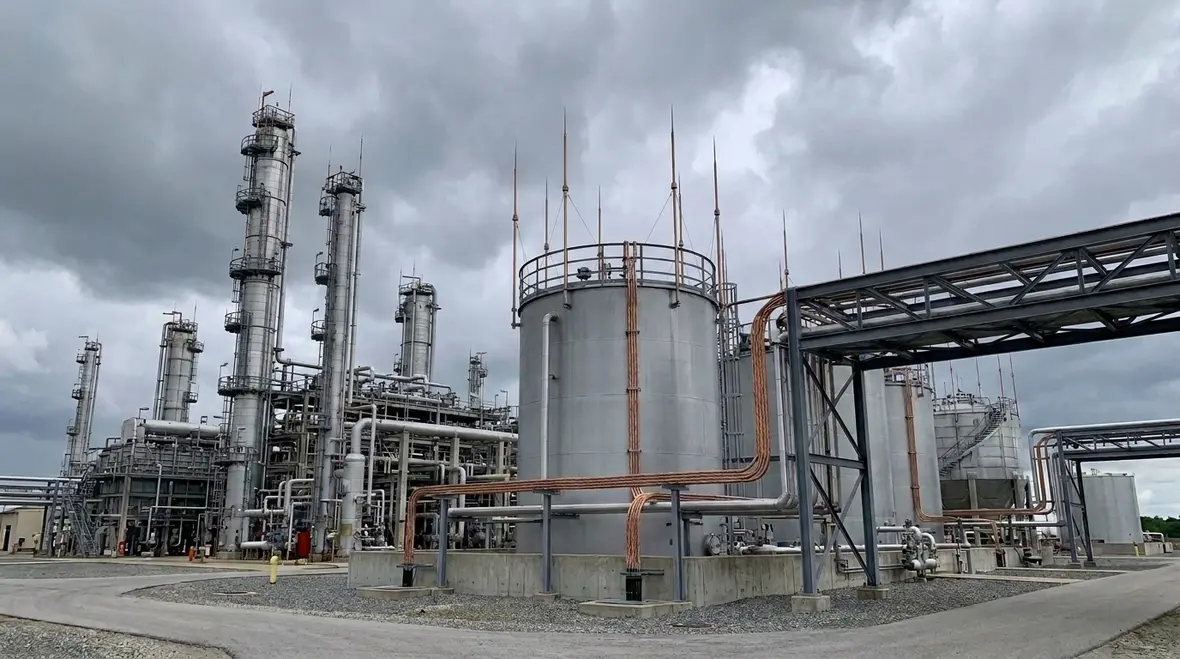
NFPA 35 Section 9.6 centers on protecting the plant from lightning related hazards through a lightning protection system that is appropriate to the plant’s exposure, construction, and occupancy characteristics. For commercial and industrial sites, the “plant” often includes more than a single building. It can include process units, tank farms, ducts and stacks, control buildings, warehouses, and any connected structures that create pathways for current or surge energy.
From a fire safety and risk perspective, compliance is not complete until the lightning protection strategy addresses the full lightning interaction chain:
- Direct strike risk to structures and elevated equipment
- Side flash between a protected object and nearby conductive items
- Induced surge energy in conductor networks and metal paths
- Common grounding behavior that can spread fault currents or raise ground potential
Commercial facilities that handle flammable or combustible materials, and retail sites with attached industrial processes or storage, can face the same physics. The main difference is documentation maturity and inspection rigor.
Design and installation: the compliance decisions that prevent failure
Section 9.6 compliance starts at the design stage. Installers often build to drawings, but fire safety success requires the design to reflect actual site conditions: structure geometry, conductor routing, bonding points, and interfaces with electrical systems.
1) Risk based system layout and coverage
A compliant layout establishes where conductors, air terminals, down conductors, and bonding points go. Common operational failure points include:
- Air terminals placed without accounting for parapet edges, stack height, and rooftop appurtenances
- Down conductor placement that ignores likely strike attachment points
- Missed conductive objects that become unintended discharge paths
2) Grounding and bonding that actually stay bonded
Bonding and grounding are where many plants drift from “as designed” into “as found.” Common issues include corrosion at clamps, loosened terminations after maintenance, and changes to steelwork that remove continuity unintentionally. Fire safety teams often see these problems during incident investigations after a voltage event.
Effective lightning protection plant requirements depend on permanent, verifiable connections to the grounding system. The goal is consistent performance during the high current event and stable behavior for surge dissipation during normal transient conditions.
3) Interface with electrical systems and surge risk
Even when lightning protection conductors and grounding exist, surge damage can occur if the plant does not manage induced energy and conductive coupling into power and control circuits. Plants frequently add equipment after initial installation, such as:
- New motor control centers and variable frequency drives
- Additional process instrumentation
- Expanded communications and network equipment
- Upgraded lighting and receptacle circuits
Each addition can create new conductor paths and bonding needs. A compliant program treats lightning protection as a living system, not a one time project.
Inspection and maintenance: how compliance stays real between audits
NFPA 35 emphasizes that lightning protection systems require ongoing verification. In practice, compliance failure often occurs after construction turnover, when routine electrical maintenance continues but lightning protection inspection receives less attention.
Inspection scope that should match the site
Inspections should cover system components and the interfaces that change over time:
- Visual verification of air terminals, down conductors, and bonding conductors
- Condition assessment for clamps, terminations, and weather exposure
- Verification of conductor routing and support integrity
- Checks of grounding connections and continuity pathways
- Review of site modifications since last inspection
Common failure points found in the field
- Corrosion at terminations and clamp interfaces
- Physical damage from scaffold use, maintenance work, or equipment replacement
- Unauthorized changes to conductor routing or bonding points
- Missing bonding after new piping, structural steel, or cable trays get installed
To strengthen local compliance, facilities benefit from a documented maintenance schedule tied to site work plans. Kord Fire Protection supports this operational model through routine inspections, compliance documentation, and corrective action coordination for ongoing risk reduction.
For related fire and safety compliance support, facility teams can also leverage resources from Kord Fire Protection to build a sustainable inspection and maintenance program across life safety systems.
Documenting “as found” conditions for NFPA 35 readiness
Audits and insurance reviews often focus on documentation quality as much as system hardware. Plants that maintain lightning protection records show a clear compliance chain: design basis, installation verification, inspection results, and corrective actions with dates.
What strong documentation typically includes
- System layout documentation aligned with installed conditions
- Inspection reports with identified deficiencies
- Corrective action records, including parts replacement and re inspection
- Grounding and connection verification results, where applicable
- Change management notes for additions to equipment or structures
Practical compliance challenge: continuous plant modifications
Most plants do not stay static. Procurement and construction cycles introduce new conductive objects, new cable trays, and new bonding opportunities. Without a lightning protection impact review step, work can unintentionally reduce effectiveness even if it improves normal operations.
A workable approach is to require coordination between electrical, mechanical, and fire safety teams whenever rooftop work, steel modifications, or new external equipment is planned. This is where Kord Fire Protection helps commercial facilities manage risk consistently, not reactively.
If you are tightening documentation habits across multiple systems, full lifecycle fire protection servicing is a useful related read because it connects inspections, maintenance logs, repairs, and long term readiness in one workflow.
Frequently Asked Questions
Conclusion and next step
Lightning protection compliance under NFPA 35 Section 9.6 depends on more than installed equipment. It requires a design that matches plant reality, documented verification, and disciplined inspection and maintenance that accounts for ongoing facility modifications. Kord Fire Protection can help commercial, industrial, and retail teams build an inspection and correction program aligned with operational needs. Schedule a lightning protection assessment and inspection plan review to strengthen readiness and reduce lightning related fire risk.

Join Our Newsletter!
Get the latest fire safety tips delivered straight to your inbox From our Newsletter.



