NFPA 1 Section 43.11 Spray Operation Training for Safer Worksites
Quick Answer: NFPA 1 Section 43.11 sets the standard for spray operation training in fire safe work. It helps teams reduce ignition risk, protect workers, and keep coating and painting jobs under control. For industrial, retail, and commercial sites across Australia, it supports safer work and better compliance.
Spray operation training NFPA rules matter because spray jobs can turn risky fast if teams miss the basics. In facilities that handle coating, painting, or finishing work, the right training helps reduce fire danger, control overspray, and keep crews ready for the job. That is where coating process training fire code guidance and spray painting safety training become more than paperwork. They become part of daily protection. And in the real world, that means fewer problems, fewer surprises, and less drama than a bad sequel nobody asked for.
For sites that want practical support around inspections, suppression systems, alarms, and training, fire protection services from Kord Fire Protection fit naturally into this conversation. Strong spray safety procedures work best when the broader fire protection setup is maintained, documented, and ready to back up the people doing the work.
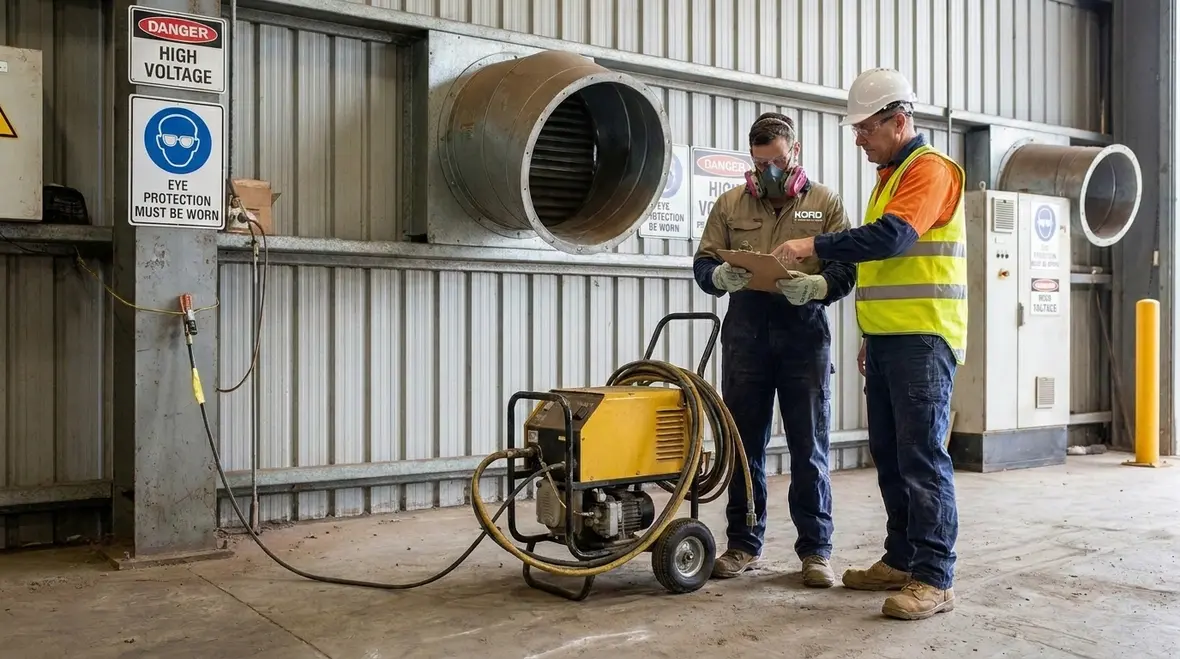
What NFPA 1 Section 43.11 Means on Site
NFPA 1 Section 43.11 focuses on spray operations and the need for trained workers. It does not treat spray work like a casual task. Instead, it pushes sites to build a clear process for safe setup, safe use, and safe shutdown. That matters in industrial plants, retail back areas, warehouses, workshops, and commercial maintenance spaces where spray coatings can create vapor, ignition, and cleanup issues.
When teams follow spray operation training NFPA guidance, they learn how to identify fire hazards before a spray gun ever starts. They also learn how to control the work area, manage equipment, and spot unsafe conditions. As a result, they can work with more confidence and less guesswork.
Training turns spray work from risky to repeatable
That is the real value on site. Training gives workers a repeatable method instead of relying on memory, habit, or whoever happens to be the loudest person near the spray booth. It sets expectations for setup, spraying, pauses in work, and end of shift shutdown so the task stays controlled from start to finish. In busy facilities, that consistency can be the difference between a smooth day and a cleanup story nobody wants to tell twice.
Why Spray Operations Need Fire Safety Control
Spray work often involves liquids, fine mist, and fast drying materials. Those elements can create flammable vapor and static risk. So, when a site skips proper training, it invites trouble. In fact, one small mistake can turn a normal maintenance task into a very expensive fire event. Nobody wants that kind of plot twist.
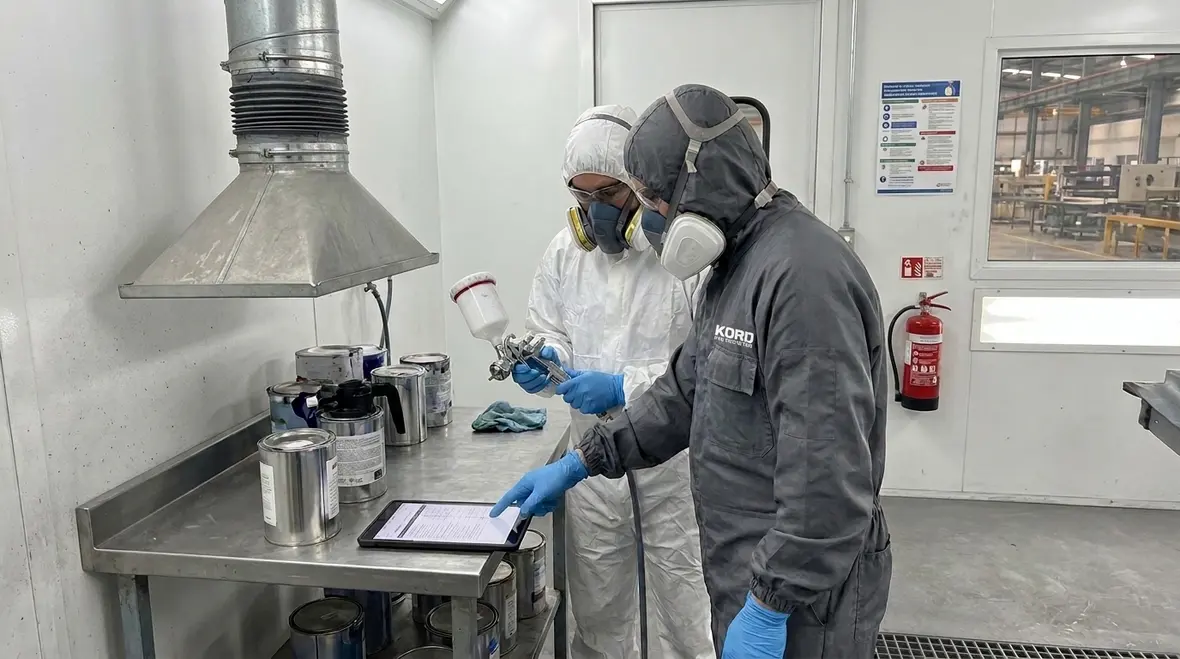
Spray painting safety training helps teams understand where the danger starts. It covers common issues such as poor ventilation, open flames, hot surfaces, faulty gear, and bad storage habits. It also helps workers see why a clean work zone and correct spray setup matter just as much as the paint itself.
| Training Area | What It Helps Prevent |
|---|---|
| Work area setup | Ignition and vapor buildup |
| Equipment checks | Leaks, sparks, and spray failure |
| Material handling | Fire spread and chemical exposure |
| Shutdown steps | Residual hazard after work ends |
The small details are usually where the big problems start
Loose fittings, poor grounding, blocked airflow, and sloppy storage do not always look dramatic in the moment. That is exactly why they get missed. Good training teaches crews to respect the boring details, because those details are often where ignition risk quietly builds up. Fire safety is not always about heroic action. Sometimes it is about noticing the obvious thing before it becomes the expensive thing.
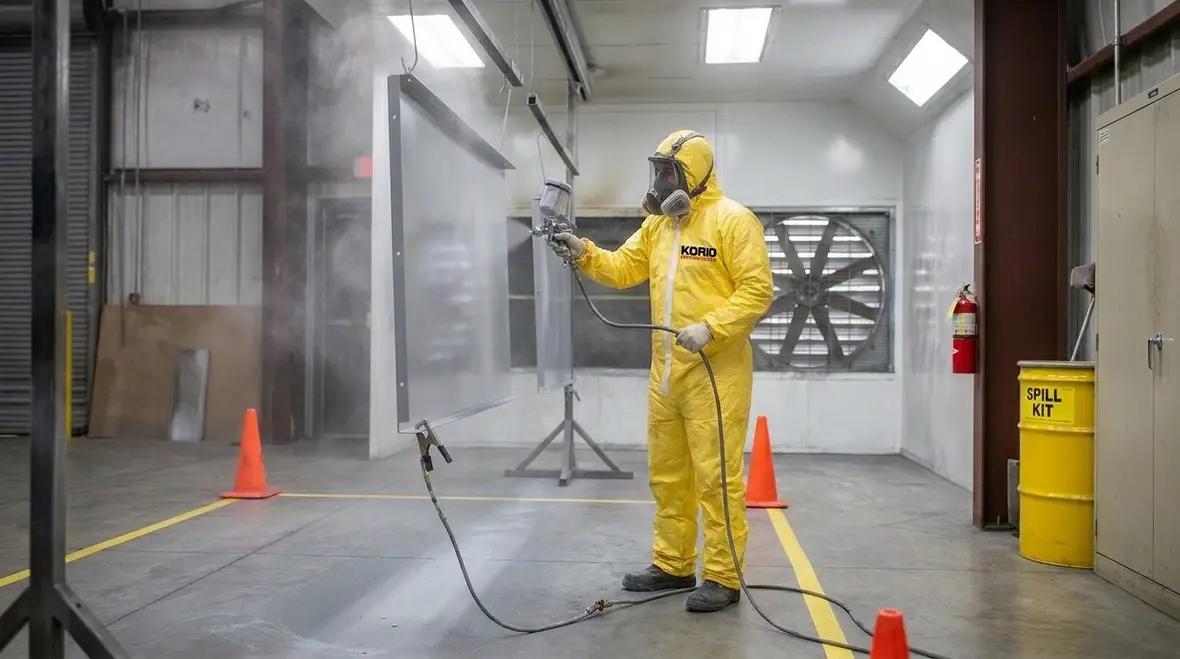
How Spray Operation Training NFPA Supports Compliance
Compliance is not just about ticking a box. It is about proving that a site knows how to manage spray work safely. NFPA based training helps supervisors build a system that workers can follow every time. That system often includes task review, hazard checks, PPE use, ventilation checks, and emergency readiness.
Because spray operations can differ from one site to another, training should fit the job type. A warehouse touch up job will not look the same as a large scale coating process in a manufacturing plant. However, the same basic fire safety mind set still applies. Therefore, spray operation training NFPA based planning gives teams a repeatable path that supports both safety and accountability.
This is also where internal records start to matter. When managers can show that workers were trained, hazards were reviewed, and procedures were followed, compliance becomes easier to explain and defend. It is a lot easier to talk through a documented process than to shrug and say, “We usually just figure it out on the day.” That answer tends to impress absolutely no one.
For broader code context, teams can also review NFPA 1: A Comprehensive Guide to Fire Prevention and Safety to understand how this section fits into a bigger fire prevention framework.
What a Strong Training Program Should Cover
A solid program goes beyond a short toolbox talk. It should give workers the knowledge they need to handle real job conditions. It should also help supervisors make sure the site stays controlled from start to finish.
Key topics should include:
- Hazard review before work begins
- Safe storage and handling of coating materials
- Ventilation and air flow checks
- Grounding and static control
- Use of PPE and spill response gear
- Fire watch duties when needed
- Cleanup and safe waste removal
These points support spray painting safety training in a practical way. They help workers understand not just what to do, but why each step matters. And that difference can save time, money, and a whole lot of headache.
A strong program is practical, not theatrical
The best training does not drown people in jargon or turn into a performance about compliance theater. It shows crews what to check, what to stop, when to escalate, and how to finish the task without leaving hidden risks behind. If people can actually apply the training during a rushed day on site, then the program is doing its job.
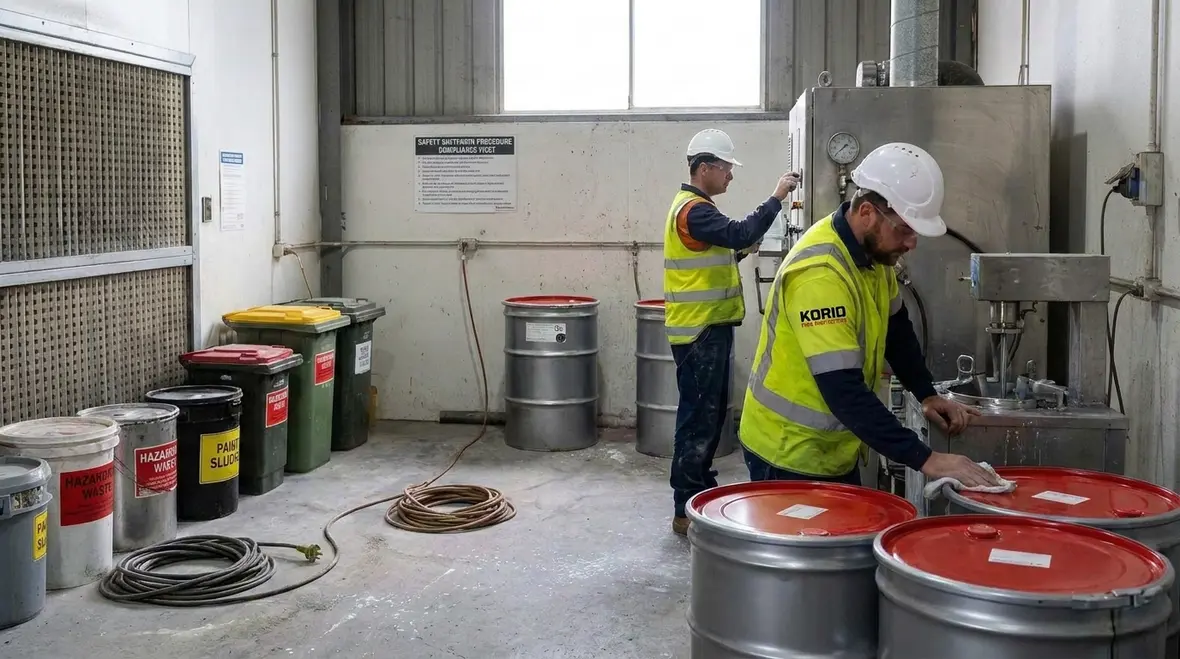
How Kord Fire Protection Can Help as a Partner
Kord Fire Protection can become a vital partner for sites that need help with spray operation training and fire safe work systems. Their role can support businesses that want to improve site readiness, strengthen staff knowledge, and reduce risk around coating and spray tasks.
Kord Fire Protection can assist with fire focused guidance, job planning support, and training that aligns with site needs. For industrial, retail, and commercial teams across Australia, that kind of support can help turn a complicated rule set into a clear working process. In other words, they help take the fire code from shelf to shop floor, which is where the real action lives.
When a partner like Kord Fire Protection works with a site, the business can build a better system for:
- Spray task review and hazard control
- Staff awareness and role based training
- Site specific fire safety planning
- Safer coating process training fire code alignment
- Ongoing support for audits and updates
That partnership approach matters because spray operations do not exist in isolation. They connect to alarms, suppression systems, inspections, emergency procedures, and maintenance schedules. When those pieces work together, the site becomes more resilient and the training makes more sense to the people expected to use it.
How Teams Can Put the Training Into Daily Use
Training only works when people use it. So, site leaders should build simple habits that keep spray work safe every day. That means checking the space before work starts, assigning clear duties, and making sure tools and materials stay in good condition.
It also helps to review jobs before each shift. That way, teams can catch changes in ventilation, nearby hot work, or new storage issues. Even a good plan needs a quick check now and then. After all, fire safety is not a one time speech. It is a daily habit, like drinking coffee before the first meeting, only far more important.
Simple routines make training stick
Short pre-start checks, clear handoffs, tidy cleanup, and quick post-task reviews help turn policy into normal behavior. When these actions become routine, workers are less likely to improvise under pressure. And while improvisation has its place in jazz, it is not the preferred operating model for flammable spray work.
FAQ
Build Safer Spray Work With the Right Support
Sites that handle spray work need more than good intentions. They need training, clear controls, and the right fire safety partner. Kord Fire Protection can help industrial, retail, and commercial teams strengthen spray operation training NFPA practices and improve day to day safety.
For businesses that want a safer, smarter setup, now is the right time to take the next step and bring expert support into the process. Better training does not just reduce risk. It gives teams a cleaner, calmer, more reliable way to get the job done without inviting unnecessary chaos.

Join Our Newsletter!
Get the latest fire safety tips delivered straight to your inbox From our Newsletter.