NFPA 52 Section 3.2: Official NFPA Terms Used in the Vehicular Gas Code
Quick Answer: NFPA 52 Section 3.2 standardizes terminology used throughout the Vehicular Gas Code. Facility teams use these official NFPA terms to interpret system requirements consistently, reduce inspection friction, and align operating procedures with recognized definitions. This article provides a practical NFPA 52 official definitions cross reference to common compliance questions.
Facilities trying to keep terminology, inspections, and records aligned may also benefit from reviewing fire safety system documentation for compliance, which fits naturally with the cross-reference workflow discussed here.
Why NFPA 52 Section 3.2 matters during real-world inspections
In commercial, industrial, and retail environments, code language often becomes the operational workflow. NFPA 52 Section 3.2 establishes “official NFPA terms” used across the Vehicular Gas Code so that designers, installers, inspectors, and maintenance staff interpret requirements the same way. When teams skip or loosely interpret terminology, they typically see the same outcomes: ambiguous records, repeated field corrections, and findings that force rework during acceptance or scheduled compliance checks.
From a facility management standpoint, the practical challenge is not simply knowing definitions. The challenge is mapping the code terms to what is physically installed, how it is maintained, and how staff verify performance. This is where an NFPA 52 official definitions cross reference approach reduces risk by connecting documentation and field observations to the same words the code uses.
How to build an NFPA 52 official definitions cross reference for your facility
Teams usually fail at one of three points: (1) they rely on memory, (2) they document differently than they operate, or (3) they do not maintain the cross reference over time. A reliable cross reference process looks like this:
Create a terminology register that lists each NFPA 52 term you use in drawings, O and M manuals, and inspection forms.
Attach the official definition from NFPA 52 Section 3.2 to each term record so the facility does not drift toward informal wording.
Link each definition to a field verification method, such as what an inspector can see, what a technician measures, and what records confirm the requirement.
Assign ownership to the systems manager or compliance lead who controls updates when equipment, piping configuration, signage, or operating procedures change.
Set change control triggers for procurement changes, regulator replacements, hose assemblies, pressure relief device servicing, and compressor or dispensing hardware upgrades.
Where terminology errors typically show up in vehicular gas systems
Most compliance gaps do not arise because staff ignore safety. They arise because definitions get applied to the wrong component category or because “equivalent” language is used in internal documents. Common failure points include:
1) Misclassification of equipment categories
Terminology in NFPA 52 guides how systems are grouped, inspected, and maintained. When facility documents describe a component in generic terms rather than matching NFPA 52 language, inspection teams may treat the asset as a different type of equipment category than intended. That can lead to missing checks, incorrect inspection intervals, or incomplete test documentation.
2) Inconsistent definitions between as-built drawings and operating procedures
Commercial sites often update pump hardware, replace control components, or modify hose routing without fully harmonizing labels and procedures. An NFPA 52 official definitions cross reference helps prevent this by requiring the same term to appear consistently in the permit package, the O and M manual, signage, and the field verification checklist.
3) Recordkeeping that does not match the defined term
Inspections usually rely on documentation that maps clearly to the code term. If a technician records “leak test” without specifying which defined test the code expects, or the form does not identify the defined component being tested, it becomes difficult for reviewers to confirm compliance. Kord Fire Protection supports commercial facilities by aligning field procedures, checklists, and reporting so the documentation reads like the code.
Operational procedures that depend on correct terms
Even when the physical system is correct, incorrect or inconsistent terminology can break the operational workflow. The most important areas where definitions affect daily practice include:
Startup and shutdown routines that must reference the correct defined system elements.
Maintenance labeling and segregation, such as distinguishing components that require specific inspection frequency or performance verification.
Leak detection and testing records, where forms should identify the defined component or defined test method being performed.
Training and contractor onboarding, ensuring technicians understand the term set before working on assemblies and connected piping.
Management of change for hardware replacements, where the definition drives whether the work triggers additional verification or retesting.
For facilities that standardize these routines, compliance becomes more predictable. For facilities that do not, the code language becomes a moving target during audits and acceptance inspections.
Inspection and maintenance alignment: making the cross reference actionable
An effective NFPA 52 official definitions cross reference does not live in a binder. It should connect directly to inspection and maintenance execution. Commercial facility standards typically require repeatability, traceable results, and documented competency. Practical implementation includes:
Field checklist design
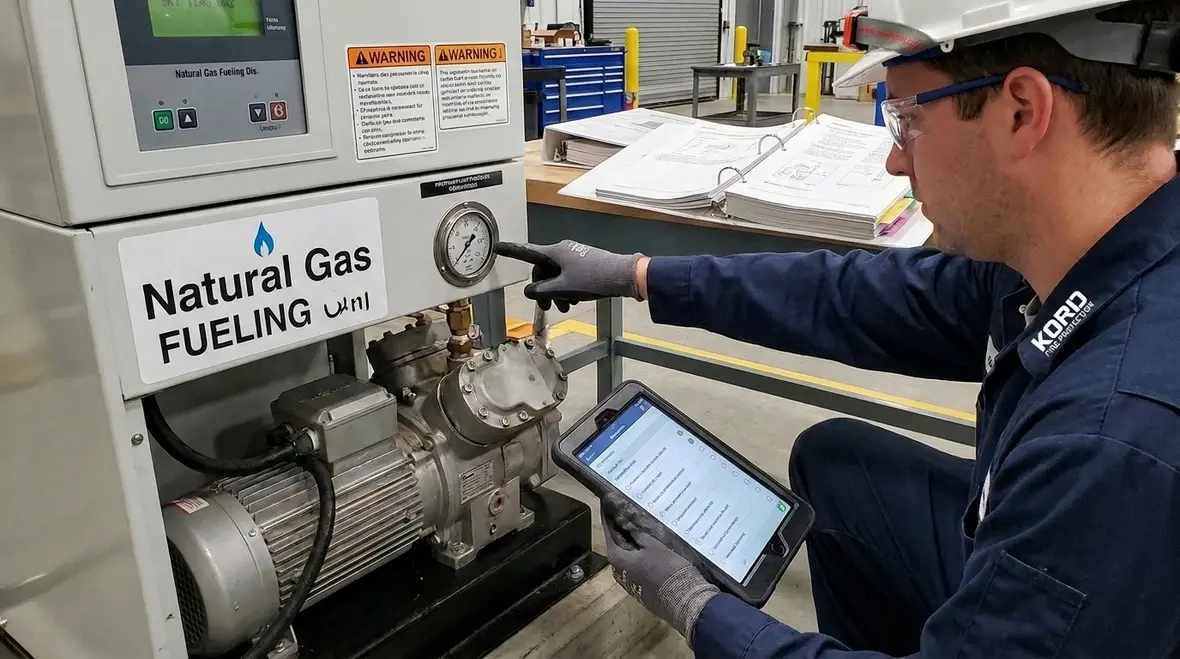
Each checklist item should name the defined term and specify the observation or measurement method. For example, the checklist should clearly indicate what constitutes acceptable condition for that defined component, and it should specify what evidence gets recorded.
Test documentation format
Records should include the defined term, date, technician identity or qualification level, equipment used, and pass or fail results. Where codes require additional steps, the record should capture those steps under the correct defined category so reviewers can confirm completeness.
Common maintenance breakdowns
Technicians often encounter failures such as incorrect part substitutions, incomplete torque or replacement documentation, degraded fittings, damaged hoses, or inconsistent labeling. Terminology alignment ensures these issues get categorized correctly, which improves root cause analysis and corrective action tracking.
If the facility needs an external partner to maintain this alignment across multiple locations, Kord Fire Protection helps commercial teams manage testing, maintenance, and compliance documentation with consistent terminology and inspection-ready reporting. For additional guidance on facility fire and safety program setup, see Kord Fire Protection.
Frequently Asked Questions
Call to action
If your facility manages vehicular gas equipment across one or more sites, align your documentation and inspection checklists to NFPA 52 Section 3.2 terms before the next audit. Kord Fire Protection can support your program with maintenance planning, inspection readiness, and terminology consistent reporting that reduces rework. Contact Kord Fire Protection today to build a practical NFPA 52 official definitions cross reference workflow tailored to your operations and equipment inventory.

Join Our Newsletter!
Get the latest fire safety tips delivered straight to your inbox From our Newsletter.