
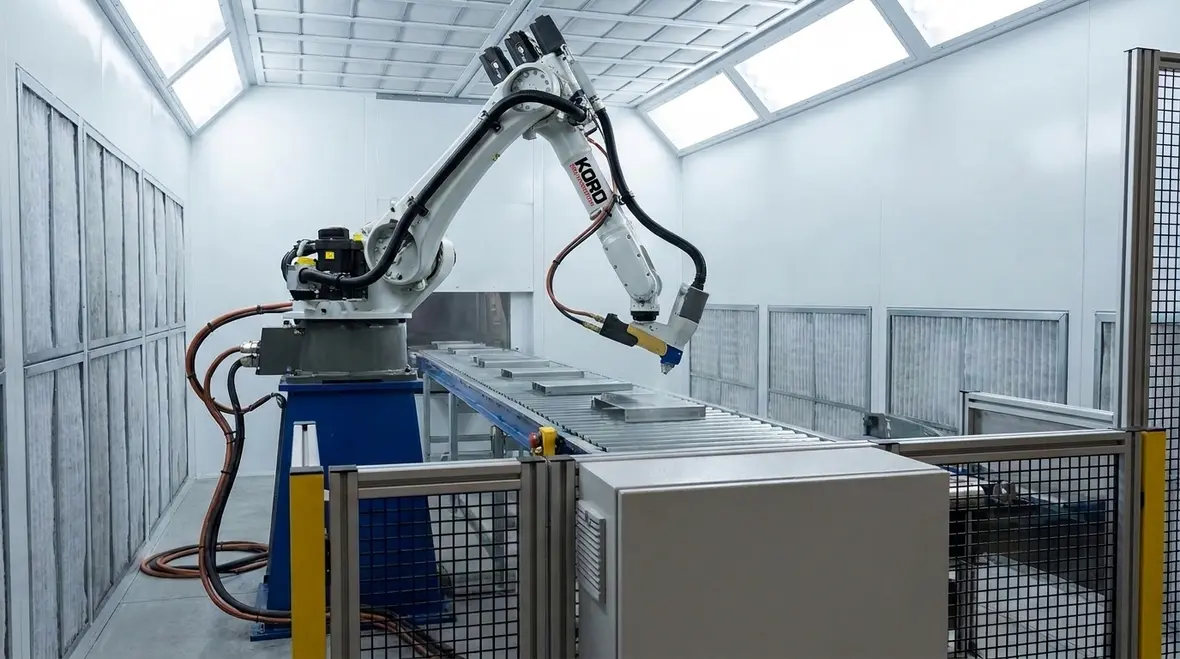
NFPA 33 Section 11.3: Requirements for Automated Electrostatic Spray Systems
Quick Answer: NFPA 33 Section 11.3 sets technical and operational requirements for automated electrostatic spray systems, including system setup, equipment integration, operating controls, interlocks, and inspection and maintenance expectations. These provisions help prevent ignition hazards and reduce risk during normal operation and failure conditions.
Facilities working through automated spray safety often also benefit from reviewing Kord Fire Protection’s fire suppression system services early in the compliance process, especially when inspection planning and ongoing maintenance need to stay coordinated with line operations.
What NFPA 33 Section 11.3 Covers for Automated Systems
NFPA 33 regulates spray application using flammable and combustible materials, with special attention to electrostatic risks, control of ignition sources, and safeguarding during all operating modes. The NFPA 33 automated electrostatic spray system requirements in Section 11.3 focus on automated equipment that performs spraying without continuous direct operator action at the spray zone.
In practical terms, facilities use these provisions when they integrate electrostatic spray guns, feed systems, control cabinets, conveyor or robotic movement, solvent and coating management, and protective interlocks. Compliance depends not only on the original installation but also on maintaining the system in a safe operating condition through documented inspections and ongoing maintenance.
System Design and Integration: Where Compliance Starts
Automated electrostatic spray systems combine multiple subsystems that must work together safely. Section 11.3 expectations typically drive the design toward predictable behavior under normal and abnormal conditions. Common integration elements include:
- Electrostatic power source control coordinated with spray initiation and shutdown sequences.
- Spray pattern and motion control (conveyor, reciprocators, or robotic movement) synchronized to coating application timing.
- Material supply and atomization controls arranged to prevent unexpected spray delivery.
- Zone classification coordination and safe placement of electrical and instrumentation components within or around hazardous areas.
One major compliance challenge in commercial finishing, industrial coating lines, and retail back-of-house paint operations is the “last mile” integration. Equipment may meet requirements as stand-alone components, but unsafe conditions can still occur when automation logic, E stop circuits, interlocks, and fault handling are not aligned to the electrostatic system’s operating states.
Why related NFPA 33 guidance matters
If your team is still confirming whether a process belongs under this standard in the first place, Kord Fire Protection’s article on spray operations covered and excluded under NFPA 33 Section 1.3 can help frame that decision before diving deeper into automated electrostatic details.
Operating Controls and Interlocks: Preventing Energization During Unsafe Conditions
Electrostatic spray systems can present ignition risk if the system energizes when spraying conditions are not present or when hazards change. Automated setups therefore rely on interlocks and operating controls that maintain safe sequencing. While the exact requirements vary by system configuration, facilities should expect controls that address:
- Start and stop sequencing so electrostatic energization aligns with verified spraying conditions.
- Interlocked shutoff on abnormal states such as loss of ventilation performance, failure of air supply, or interruption of movement that would keep the spray pattern controlled.
- Fault response behavior that places the system into a safe mode when sensors or control circuits detect unsafe conditions.
Common failure points show up during commissioning changes and ongoing upgrades. Examples include swapped control modules, altered relay timing, modified PLC logic, or “bypass” routines used during troubleshooting. These changes can unintentionally allow electrostatic energization without the required protective conditions, which undermines the intent of NFPA 33 automated electrostatic spray system requirements.
Electrostatic Component Safety: Grounding, Bonding, and Output Management
Electrostatic spray safety depends heavily on controlling charge transfer and preventing unexpected sparking pathways. Section 11.3 requirements for automated systems are typically implemented through safe design of:
- Grounding and bonding of equipment and conductive parts, including spray gun assemblies, material piping where required, workpiece holders or conveyors, and control cabinets.
- Cable integrity and routing for high voltage conductors and signal lines, including strain relief and protection from mechanical damage.
- Electrostatic output management ensuring the system delivers the intended electrostatic field only under valid operating conditions.
In commercial and industrial facilities, grounding and bonding integrity often degrades due to maintenance activities, component replacement, or cable rework. For example, replacing a hose assembly or modifying a conveyor support structure without restoring bonding straps can create intermittent faults. Those faults may not appear during short test runs but can create safety risk over time.
To support sustained compliance, Kord Fire Protection typically focuses on verifying that installation details remain consistent with the safe operating configuration, not just on paper documentation.
Inspection, Testing, and Maintenance: How Compliance Stays Real
NFPA 33 compliance does not end at installation. Automated electrostatic spray systems require a structured inspection and maintenance program to keep protective functions working as intended. For Section 11.3, facilities should expect verification activities that include:
- Functional checks of interlocks and control sequences to confirm safe startup and shutdown behavior.
- Verification of grounding and bonding connections for continuity and physical integrity.
- Inspection of spray system components for leaks, clogged nozzles, damaged hoses, and signs of coating buildup that can alter spray behavior.
- Assessment of ventilation and detection performance where integrated into the automated control strategy.
- Documentation and traceability for repairs, calibration changes, and component replacements.
A common operational gap is incomplete test coverage after maintenance. Teams may restore mechanical components while leaving updated control logic unverified. Another recurring issue involves preventive maintenance schedules that ignore electrostatic-specific items such as cable health, connector tightness, and high voltage output verification where applicable.
For facilities seeking ongoing service support, Kord Fire Protection can help maintain a defensible compliance posture through inspection readiness and maintenance coordination. If your program needs structure, refer to Kord Fire Protection’s approach to fire suppression system inspections, testing, installation, and maintenance to align schedules with operational risk.
Commercial Facility Implementation: Practical Compliance in Real Workflows
Many facilities struggle with translating NFPA 33 requirements into day-to-day processes. The following implementation themes commonly determine whether automated lines remain compliant:
- Change control: Establish a formal process for PLC logic edits, interlock wiring changes, and hardware swaps so safety functions get revalidated.
- Competency and training: Ensure maintenance technicians understand that “temporary bypass” conditions can create prohibited operating modes.
- Inspection access and labeling: Keep test points accessible and maintain clear labeling for interlocks, grounding locations, and control devices.
- Coordination across teams: Engineering, production, maintenance, and fire protection must share one operating intent for safe sequencing.
Retail and commercial properties may not operate electrostatic spray systems daily, but they still face the same technical hazards during product coating, touch-up operations, or subcontracted finishing. Automated systems require consistent safeguards even when usage is intermittent.
Frequently Asked Questions
Call to Action
NFPA 33 compliance for automated electrostatic spray systems depends on design integrity, safe control sequencing, and disciplined inspection and maintenance. Kord Fire Protection helps commercial and industrial facilities keep protective functions verified over time, especially after modifications and repairs. Schedule a compliance review of your automated spray line and confirm that interlocks, grounding, and operating logic remain aligned with NFPA 33 Section 11.3.

Join Our Newsletter!
Get the latest fire safety tips delivered straight to your inbox From our Newsletter.



