
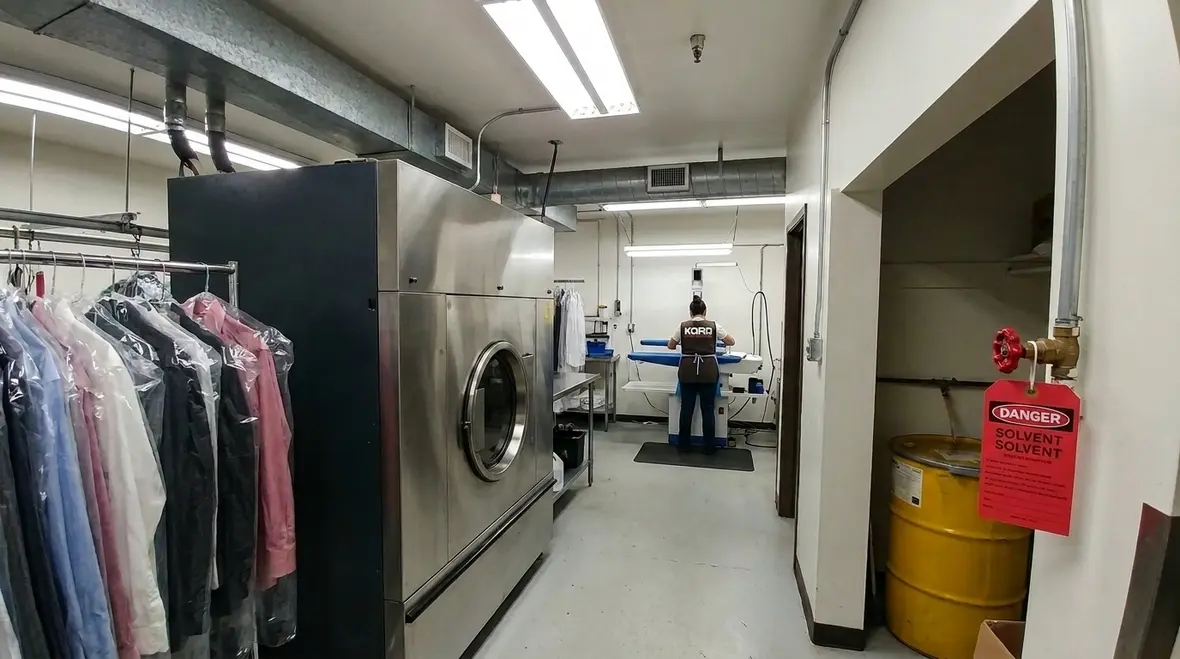
NFPA 32 Section 4.2 Prohibited Activities: What Drycleaners Must Never Do
Quick Answer: NFPA 32 Section 4.2 lists specific actions that increase fire and explosion risk in drycleaning operations. This includes prohibited handling, storage, maintenance, and operating practices that can defeat safeguards. Drycleaners must prevent ignition sources, protect electrical and ventilation systems, and follow required shutdown and inspection controls.
For facilities building out a stronger compliance program, it also helps to review fire protection services in Southern California so inspection planning, documentation, and corrective action do not turn into a last minute panic party.
Why NFPA 32 prohibits certain drycleaning practices
NFPA 32 establishes a performance and process safety framework for drycleaning facilities. Section 4.2 specifically focuses on prohibited activities that remove or undermine engineered controls, operational safeguards, and safe work practices. In practical terms, these restrictions target the most common pathways to incidents: uncontrolled releases of flammable vapors, ignition sources introduced by improper maintenance, and ventilation or electrical systems left in unsafe condition.
For drycleaners, NFPA 32 prohibited activities drycleaning is not a theoretical compliance concept. It is a daily operational boundary that inspectors apply when they observe equipment condition, work practices, and facility readiness.
What Section 4.2 prohibits in day to day operations
NFPA 32 Section 4.2 centers on behaviors and conditions that increase the probability of vapor ignition or fire propagation. Although the exact list of prohibited activities must be verified against the current edition of NFPA 32 adopted by your jurisdiction, the enforcement pattern stays consistent: anything that compromises fire containment, vapor control, ignition control, or safe maintenance becomes prohibited activity.
1) Do not operate or alter equipment in ways that bypass safeguards
Drycleaning equipment uses interlocks, pressure or vapor management features, and designed electrical protections. Prohibited activities often include defeating interlocks, removing safety devices, using non approved components, or operating systems outside required operating states. Even temporary “workarounds” can create a hidden hazard: flammable vapor accumulation plus an ignition source.
2) Do not allow unsafe handling or storage practices for flammable materials
Improper storage location, container condition, overfilling, damaged caps, leaking lines, or uncontrolled transfer procedures can lead to vapor release. Inspectors typically look for evidence of unsafe handling: stained or corroded containers, wet residue around connections, and unsecured drums or solvents.
3) Do not permit ignition sources in hazardous zones
Ignition control matters because drycleaning facilities can produce flammable vapor concentrations near equipment and during transfers. Prohibited activities include creating ignition sources through modifications, improper use of portable tools, or failure to maintain hazardous location rated equipment. A recurring failure point is the “temporary” change: relocating equipment, changing wiring, or leaving panel covers off.
4) Do not neglect ventilation, exhaust, and vapor control systems
Ventilation and exhaust systems are a primary barrier against hazardous vapor accumulation. NFPA 32 prohibits conditions where ventilation effectiveness is compromised, such as failed fans, blocked ducts, improperly set dampers, or lack of required clearances. Operational indicators include abnormal odors, recurring faults, and uneven drying or cleaning performance that suggests vapor management problems.
Common compliance failures that get treated as “prohibited activities”
Many drycleaners do not intentionally violate NFPA 32. Incidents occur when facilities drift into unsafe conditions due to workload pressure, mixed contractors, or maintenance shortcuts. The most common prohibited activity triggers include:
- Uncontrolled electrical work such as replacing components without verifying ratings, leaving damaged wiring in service, or failing to restore enclosures and access control after maintenance.
- Improper equipment servicing including the use of sealants or parts not intended for the chemical environment, or incorrect reassembly of lines and fittings.
- Faulty vapor containment due to leaking gaskets, cracked hoses, loose clamps, or corroded solvent lines that allow vapor release into the work area.
- Ventilation system deterioration such as clogged exhaust, disconnected duct sections, or fan belt or bearing issues that reduce airflow below safe thresholds.
- Inadequate housekeeping around transfer points, filters, lint and waste areas, and beneath equipment where residue can indicate recurring leaks.
These issues become enforcement findings when they show a pattern of unsafe operation, not just isolated damage. Inspectors interpret prohibited activities broadly when they see repeated loss of protective function.
How inspectors verify prohibited activities on commercial sites
Commercial drycleaning spaces often share walls, customer traffic areas, shared HVAC, and tight service corridors. That environment increases the stakes of NFPA 32 compliance. Inspectors commonly verify prohibited activity compliance through a combination of observation, documentation review, and functional checks.
Operational observations
Inspectors watch for real time risk conditions such as odors, visible vapor emissions, unsecured containers, improper waste practices, and equipment left in unsafe status after alarms or shutdown events. They also review whether staff behavior matches training and posted procedures.
Maintenance and documentation
They ask for service records that demonstrate qualified work, correct parts usage, and timely corrective action. A typical red flag is long intervals between maintenance for ventilation components, solvent transfer fittings, or electrical protection devices.
Equipment condition and functional readiness
Inspectors assess visible deterioration: corroded lines, damaged hoses, missing guards or covers, malfunctioning controls, and unsealed openings that defeat designed vapor containment. If protective systems are present but non functional, it effectively becomes the same hazard as removing them.
Preventing NFPA 32 prohibited activities drycleaning: practical controls
Facilities reduce prohibited activity risk when they operationalize three controls: hazard identification, safeguard integrity, and verified maintenance. The goal is to prevent unsafe drift and detect degradation before it becomes an ignition pathway.
1) Implement safeguard integrity checks after every maintenance event
Any service action must include verification that interlocks, ventilation airflow paths, electrical enclosure integrity, and connections remain in approved condition. This includes confirmation that covers and access panels are reinstalled and that work areas are returned to safe status before restart.
2) Maintain ventilation and exhaust as a life safety system, not a convenience
Ventilation performance degrades quietly. Belt wear, bearing failure, duct blockage, and partial disconnections can persist for weeks. A disciplined preventive maintenance schedule reduces the chance that prohibited activity conditions appear.
3) Control transfer, waste, and solvent residue to avoid vapor accumulation
Residue and leaks indicate ongoing vapor hazards. Facilities should treat leaks as immediate stop and repair conditions. Housekeeping around transfer points and waste areas should be planned, documented, and audited.
4) Use qualified fire protection and life safety partners for ongoing compliance
Because enforcement focuses on functional readiness and maintenance quality, many drycleaners partner with Kord Fire Protection for inspections, testing, and service coordination. This helps facilities maintain consistent documentation, verify performance, and close corrective actions efficiently across commercial, industrial, and retail environments.
If you want a structured approach to commercial compliance support, review ITM fire protection inspection, testing, and maintenance for ongoing testing and maintenance services that support operational safety and readiness.
Frequently Asked Questions
Conclusion and next steps
NFPA 32 Section 4.2 prohibited activities drycleaning is best treated as a safety management boundary, not a checklist item. Drycleaners should validate that interlocks, ventilation, ignition controls, and maintenance practices remain fully functional after every service event. The fastest path to risk reduction is an audit of operating procedures and safeguard integrity, followed by verified testing and documented corrective action. Contact Kord Fire Protection to support ongoing compliance testing, inspection readiness, and maintenance discipline across your facility.
A smart next move is to review a commercial fire safety audit step by step process so your team can spot weak points before an inspector does.

Join Our Newsletter!
Get the latest fire safety tips delivered straight to your inbox From our Newsletter.



