
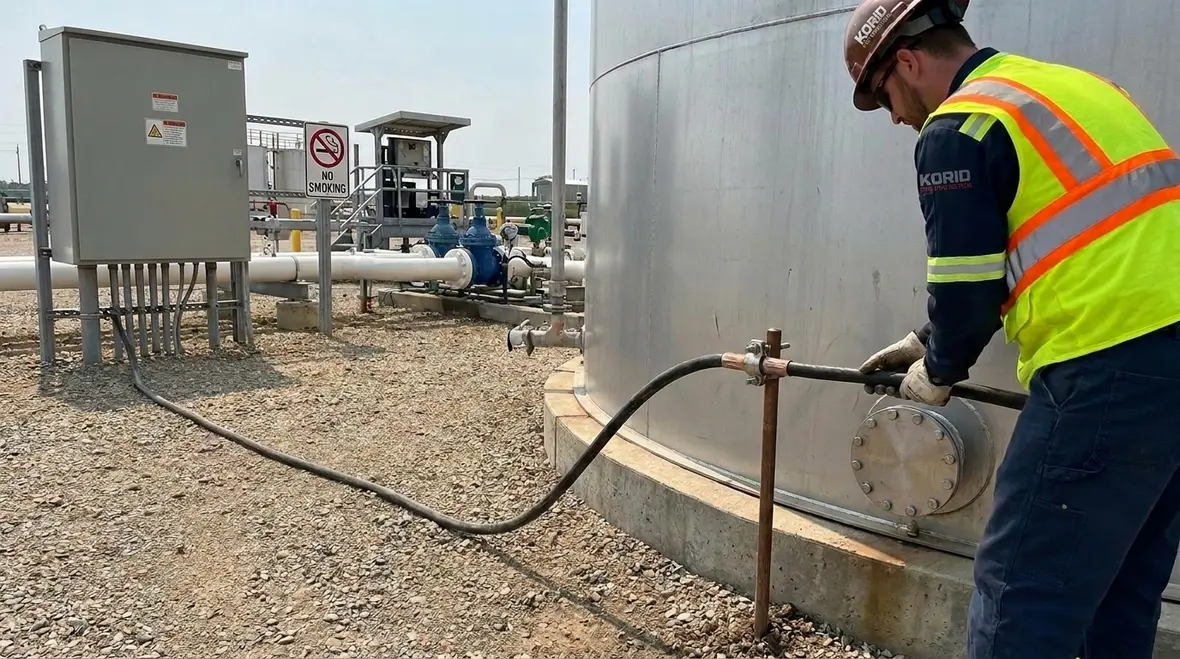
NFPA 30 Section 6.5: Ignition Source Control for Liquid Storage Sites
Quick Answer
NFPA 30 Section 6.5 control of ignition sources liquids requires commercial and industrial operators to prevent ignition during storage, handling, dispensing, and transfer. It focuses on managing electrical and mechanical ignition hazards, controlling hot work and smoking, maintaining grounding and bonding, and sustaining inspection and maintenance routines.
Ignition control is one of the most operationally demanding parts of liquid storage compliance. NFPA 30 expects facilities to reduce ignition potential through layered controls: hardware safeguards, strict work practices, and documented inspection and maintenance. This article explains what NFPA 30 Section 6.5 requires in practice, where teams commonly miss critical details, and how to build an inspection program that stays effective as equipment ages and sites change.
If your facility also needs broader fire protection support, a related resource on NFPA codes and guidelines solutions for fire protection and life safety helps connect code compliance with practical inspection and maintenance planning. ([kordfire.com](https://kordfire.com/nfpa-codes-and-guidelines-solutions-for-fire-protection-and-life-safety/?utm_source=openai))
What NFPA 30 Section 6.5 control of ignition sources liquids targets
NFPA 30 Section 6.5 control of ignition sources liquids is designed to prevent fires that start when an ignition source contacts flammable or combustible liquid vapors. Vapor cloud formation can occur during routine transfers, leakage, venting, maintenance, and abnormal conditions. Even small ignition events can scale quickly in liquid storage environments due to vapor accumulation and oxygen availability.
In practical terms, the standard focuses on two questions:
- Where ignition sources can be generated on the site.
- How the facility prevents those sources from becoming effective ignition mechanisms in the presence of flammable vapors.
How facilities implement ignition source control day to day
Compliance succeeds when ignition control becomes routine operational behavior, not a one-time installation. High performing sites combine engineering measures with administrative controls and enforce them through procedures, training, and inspection.
Core operational controls that usually carry the most risk
- Transfer and dispensing practices: Teams prevent spills, maintain correct connection procedures, and control hose and nozzle handling to avoid static and impact ignition risks.
- Smoking, open flames, and ignition aware behavior: The site limits ignition capable activities near stored liquids and vapors, including clear signage and access controls.
- Hot work management: Control measures include permits, fuel and ignition assessment, and vapor risk review prior to work in or near liquid areas.
- Vehicle and equipment ignition controls: The site addresses potential ignition from engines, brakes, electrified components, and exhaust systems in relevant areas.
Mechanical failure points that commonly defeat good intentions
Many “paper compliant” programs fail because equipment degrades. Common failure points include worn seals, deteriorated hoses, loose connections, improperly installed bonding jumpers, and out of tolerance grounding conductors. Facilities also experience drift when contractor work changes equipment layouts and electrical classifications or when temporary fixes remain in place longer than intended.
Equipment and electrical ignition hazards: the technical backbone
Electrical and mechanical ignition sources are frequent contributors to incidents at liquid storage sites. NFPA 30 Section 6.5 drives facilities to treat ignition capable electrical equipment as a managed hazard, aligned with the hazardous location strategy and site conditions.
Bonding and grounding that actually works
Static discharge and stray current risks increase when bonding and grounding systems are missing, compromised, or bypassed. The ignition control approach should include:
- Bonding across transfer components: Hoses, drums, tanks, pumps, and connection points require continuous electrical continuity where applicable.
- Grounding of conductive equipment: Portable and mobile conductive units connected to the system must remain electrically referenced per design.
- Inspection of connection integrity: Corrosion, paint buildup, loose clamps, and damaged conductors can defeat continuity and allow static to accumulate or discharge.
Operationally, teams need periodic continuity checks with documented results, not just initial installation verification. This is especially critical after maintenance that changes connections, replaces hoses, or alters pipework.
Electrical enclosures and protective measures
Ignition control also depends on protecting components from vapor ingress and mechanical damage. Facilities should confirm that:
- Electrical enclosures remain intact with correct gasket condition and closing torque procedures.
- Cables and fittings maintain damage free routing and strain relief.
- Switches, junction boxes, and motors remain correctly installed and fit for the environment.
For many sites, ignition risk increases during construction or “fix it later” activities. Any temporary electrical arrangement in a liquid storage area must be controlled, documented, and removed when work concludes.
Hot work, vehicles, and site work controls: where compliance breaks
Ignition control is not only about hardware. The biggest gaps often appear during non routine operations. NFPA 30 expectations require active prevention of ignition events during work that introduces sparks, high surface temperatures, or combustion products.
Hot work permits and vapor risk verification
A robust hot work control process typically includes:
- Pre job hazard review that considers tank conditions, venting, potential vapor migration, and nearby ignition sources.
- Atmospheric monitoring when conditions require it, supported by defined alarm and stop criteria.
- Fire watch requirements sized to the work type and residual heat and spark travel potential.
- Post work checks for smoldering or hidden ignition within defined timeframes.
Common failure point: permits that reference generic templates without verifying current liquid level, ventilation state, or the condition of nearby piping and drains.
Vehicle and equipment ignition awareness
Forklifts, service vehicles, mobile pumps, and generators can become ignition sources through exhaust systems, electrical accessories, static buildup, or mechanical sparks. Facilities typically control these hazards through route planning, equipment suitability, and maintenance discipline, including:
- Managing travel within designated areas and controlling equipment types permitted in those zones.
- Preventing oil and debris accumulation near ignition sensitive points.
- Ensuring exhaust and electrical systems stay properly maintained.
Inspection, maintenance, and documentation that keep Section 6.5 effective
NFPA 30 Section 6.5 ignition control requires sustained performance. If the facility does not maintain ignition controls, hazard reduction degrades over time. Compliance teams should design inspections around how controls fail in real life, not only how they were installed.
A practical inspection plan for liquid storage sites
Facilities should schedule inspections and functional checks for ignition control components, including:
- Bonding and grounding system condition: Continuity verification, clamp inspection, conductor integrity review, and corrosion assessment.
- Hoses, fittings, and connection points: Leak checks, wear inspection, secure coupling verification, and replacement criteria.
- Electrical components and enclosures: Gasket integrity, cable routing, protective fittings, and visible damage checks.
- Hot work control readiness: Permit system compliance, fire watch staffing evidence, and availability of suppression and barriers.
- Housekeeping and contamination control: Removal of combustible debris and liquid residue that can increase vapor and ignition risk.
Commercial compliance workflow and change management
Industrial and retail liquid storage sites often change through contractors, equipment replacement, and layout updates. Ignition control programs must include change management so that modifications trigger reviews for grounding continuity, equipment suitability, and work practice updates. This is where many operators fall behind, especially when drawings are not updated or when temporary arrangements become informal.
For additional context on how NFPA 30 regulates flammable liquid hazards across site operations, see: How NFPA 30 regulates flammable liquids. ([kordfire.com](https://kordfire.com/how-nfpa-30-regulates-flammable-liquids/?utm_source=openai))
How Kord Fire Protection supports ongoing NFPA 30 ignition source control
Ignition control performance depends on consistent testing, competent inspection, and maintenance discipline. Kord Fire Protection helps commercial and industrial facilities sustain compliance by aligning inspection scope with real operational risks and by improving control reliability across electrical safeguards, grounding and bonding verification, and work control readiness.
Engaging a specialist partner supports better documentation, reduces the likelihood of missed degradation points, and strengthens preparedness when maintenance activities introduce new ignition pathways. For businesses prioritizing reliable compliance in Australia, kordfire.com.au provides the service framework needed for ongoing fire safety assurance. ([kordfire.com.au](https://kordfire.com.au/?utm_source=openai))
Frequently Asked Questions
Call to action
Review your ignition source control program against NFPA 30 Section 6.5 requirements and confirm every critical control remains functional after maintenance and site changes. Kord Fire Protection can help you strengthen inspections, documentation, and recurring maintenance discipline so your liquid storage operations stay compliant and resilient. Contact Kord Fire Protection through kordfire.com.au to schedule a targeted compliance review and risk focused maintenance support. ([kordfire.com.au](https://kordfire.com.au/?utm_source=openai))

Join Our Newsletter!
Get the latest fire safety tips delivered straight to your inbox From our Newsletter.



